Radar
10 items · updates automatically
Radar transmits radio waves and receives echoes from objects, providing information about their location and movement. A radar contact can document an aerial phenomenon, but it doesn't necessarily identify what caused it; interference, environmental conditions, and device limitations can all affect the measurement.
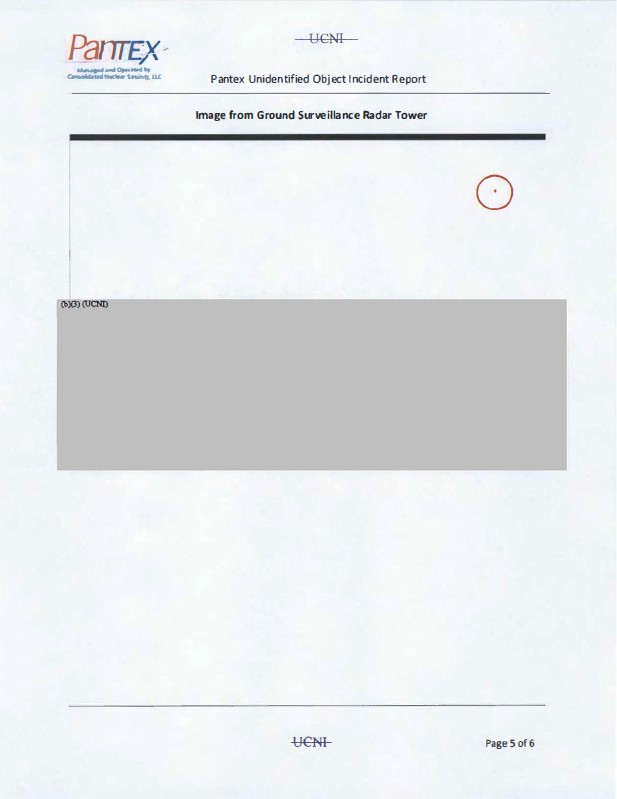
Radar reports are particularly interesting when they appear alongside pilot or crew sightings, but even then, cases aren't always explainable. Here you'll find reports and documents on instances where radar detected an object or phenomenon, as well as methods for identification and partial concealment from radar waves.
Everything we've published on Radar


Common questions about Radar
What can radar show?
Radar can provide information about the location and movement of objects that reflect its signals. It cannot, by itself, determine what the object is or where it came from.
Does a radar contact prove a UFO was sighted?
A radar contact is evidence that the system detected a return, but it doesn't prove the source was an aircraft or an anomalous phenomenon. To understand the case, additional details about the measurement and circumstances are required.
Why might radar and eyewitnesses report different things?
Radar and eyewitnesses gather information in different ways: radar measures radio wave reflections, while a person describes what they saw. Therefore, discrepancies between reports are possible, and it's sometimes difficult to determine if they refer to the same observation.
Is it possible to hide an object from radar?
It's possible to reduce an object's radar cross-section, and there is research on partial concealment from such waves. The degree of effectiveness depends on the conditions and the system, and partial concealment doesn't necessarily mean complete disappearance.