Thermal Imaging
39 items · updates automatically
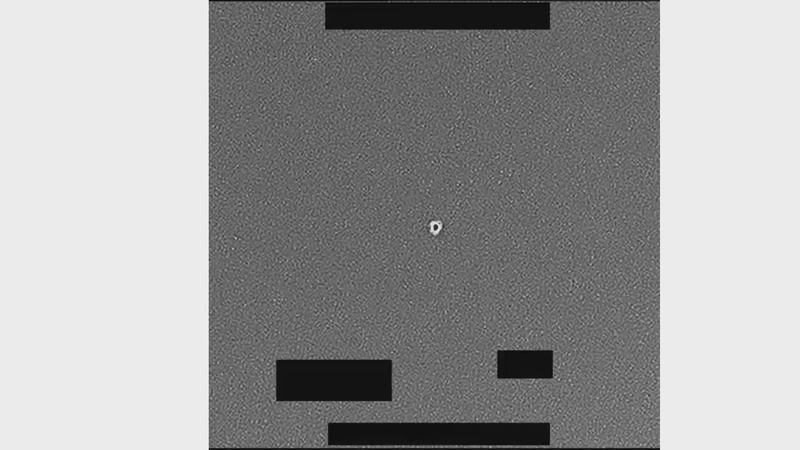
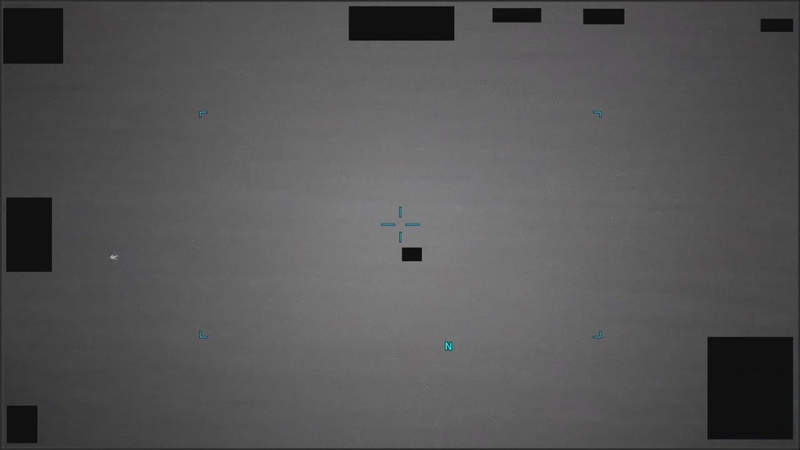
Thermal imaging displays differences in infrared radiation emitted by objects and their surroundings, translating them into an image. The appearance depends on the sensor, settings, and shooting conditions; therefore, a bright or dark spot alone doesn't identify what's seen in the image.
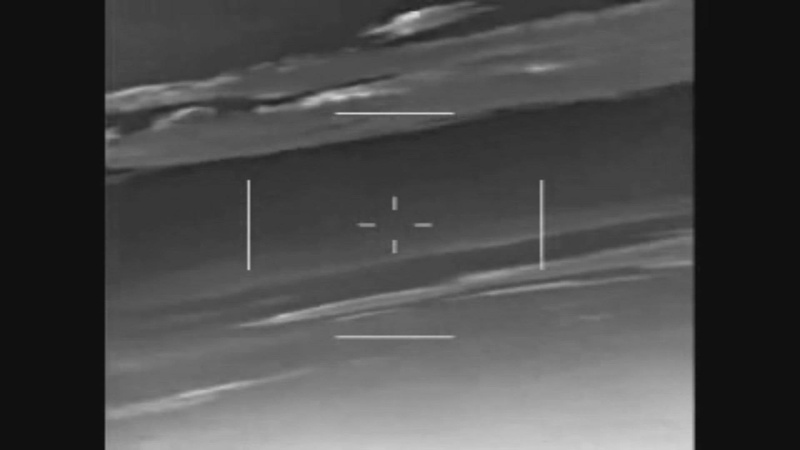
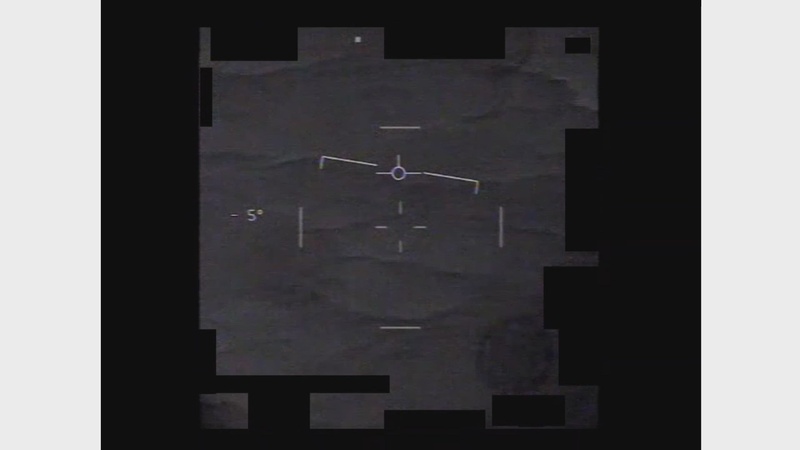
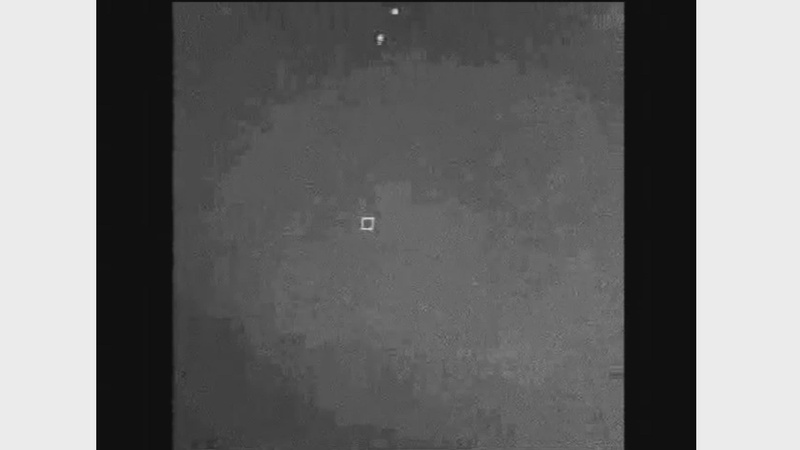
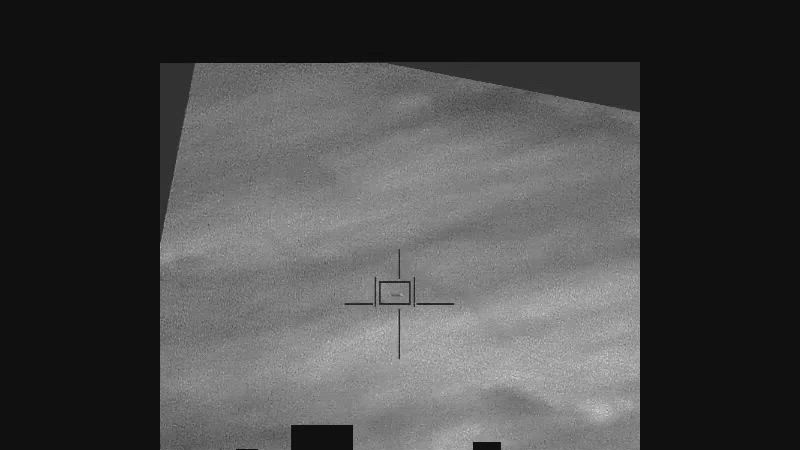
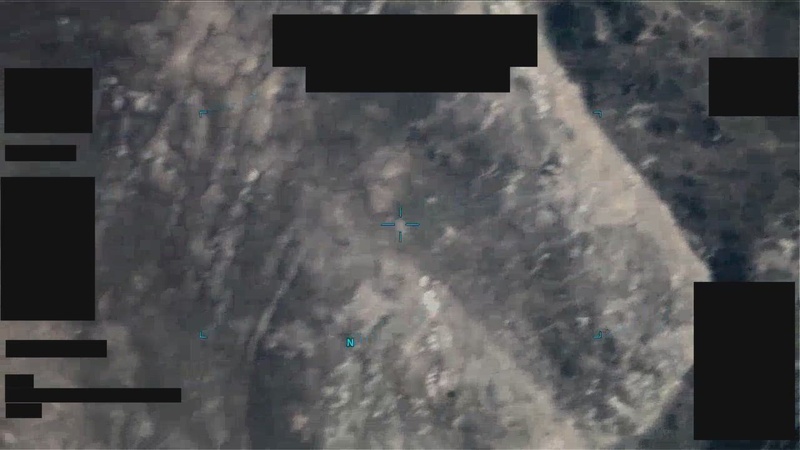
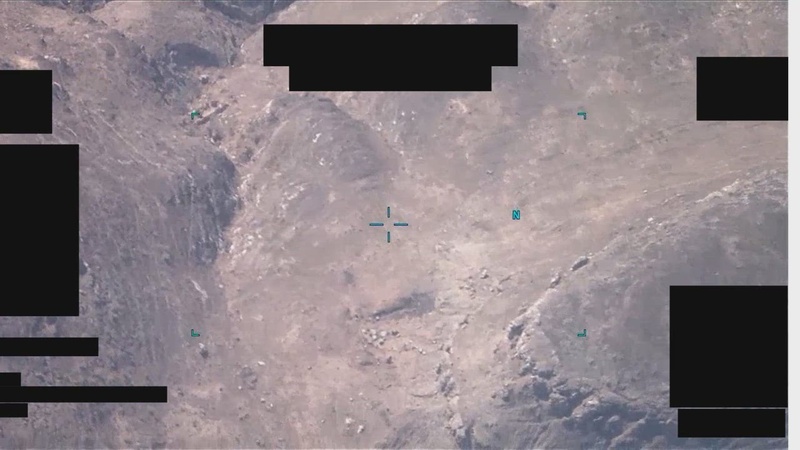
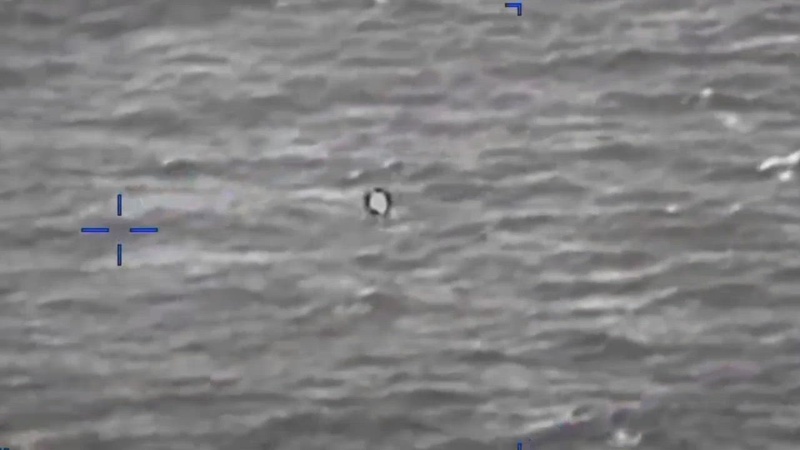
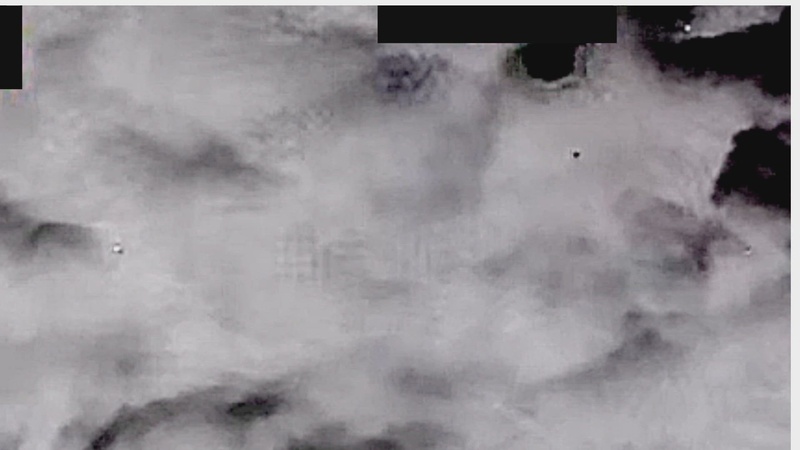
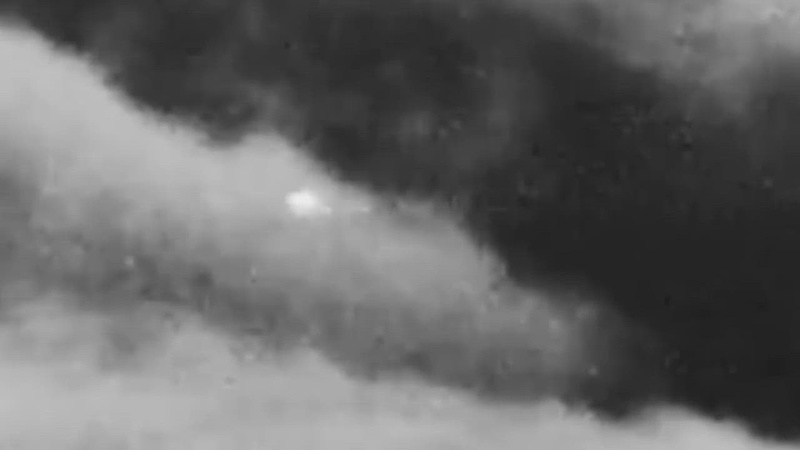
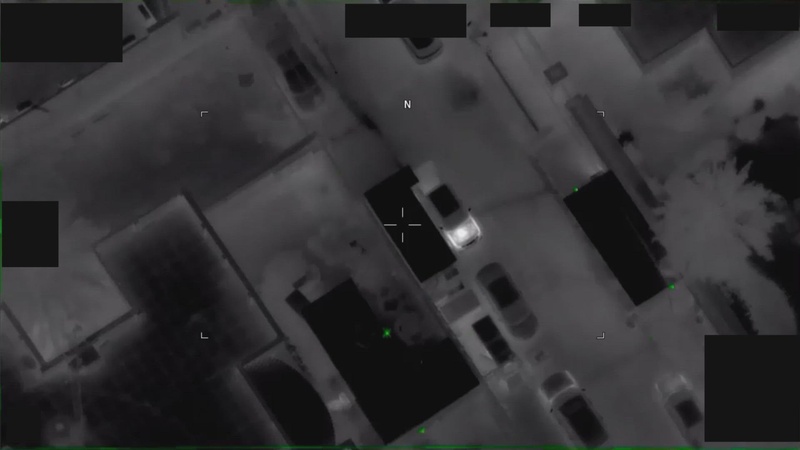
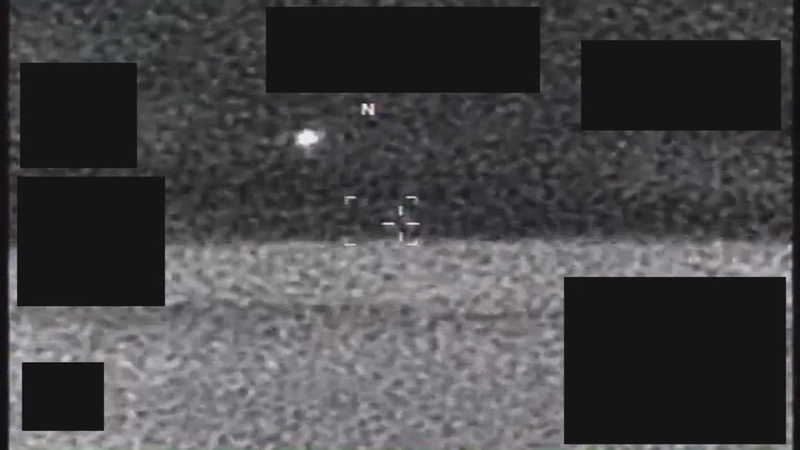
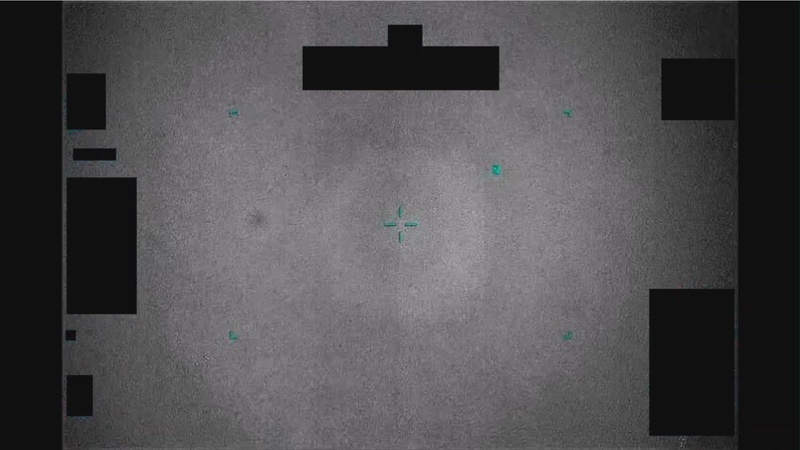
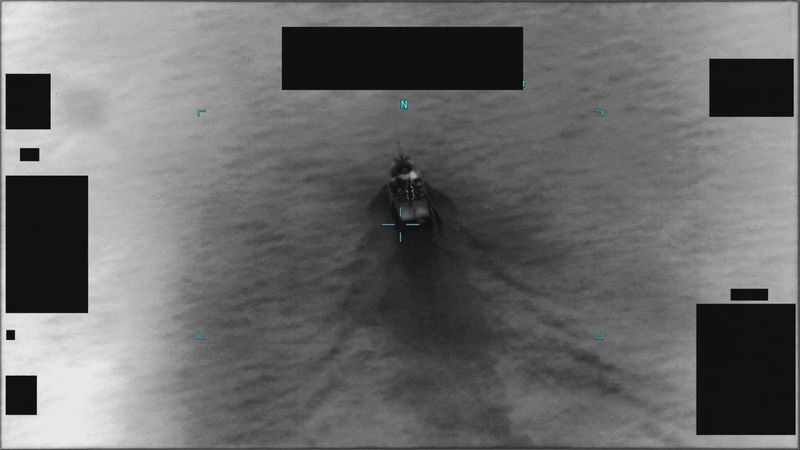
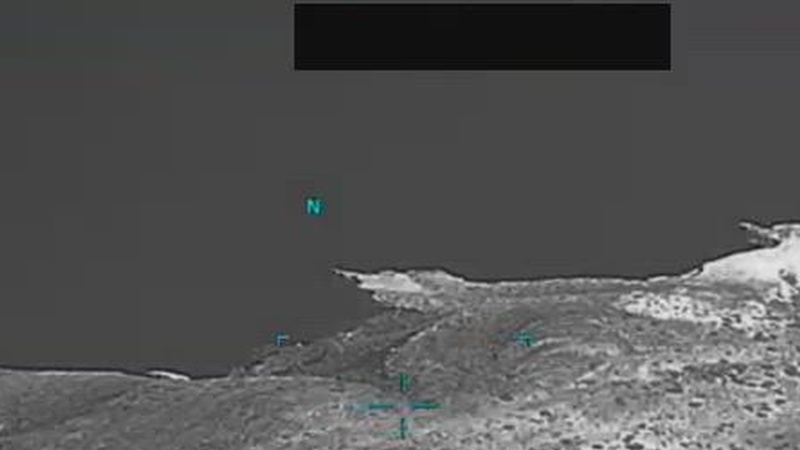
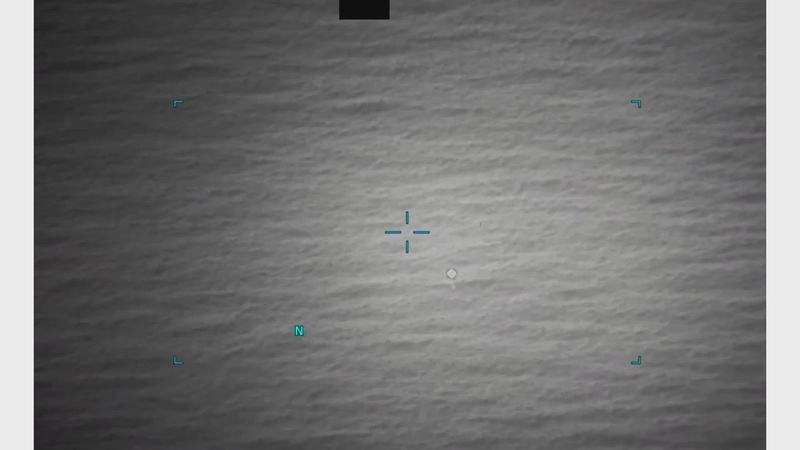
In reports of unidentified anomalous phenomena (UAP), military thermal cameras have documented spots and areas that moved, disappeared, or blurred into the background, sometimes with the sensor tracking them or changing zoom and contrast. On this page, you'll find videos and descriptions of such cases. They show what was recorded, but in many of them, the object's identity remains unknown.
Everything we've published on Thermal Imaging
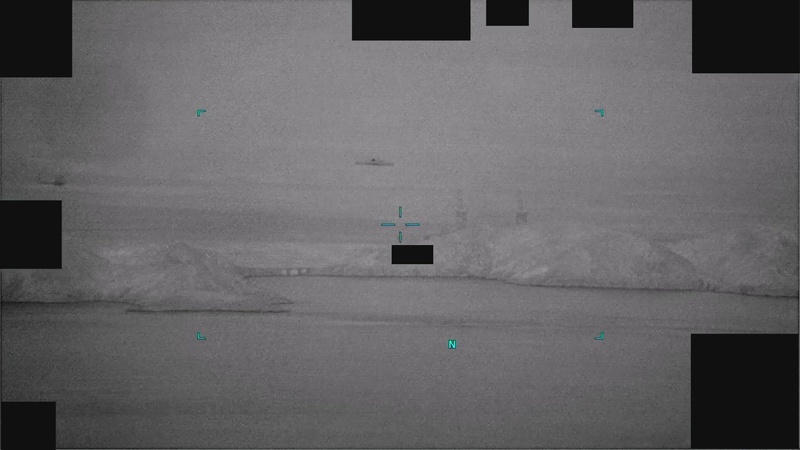
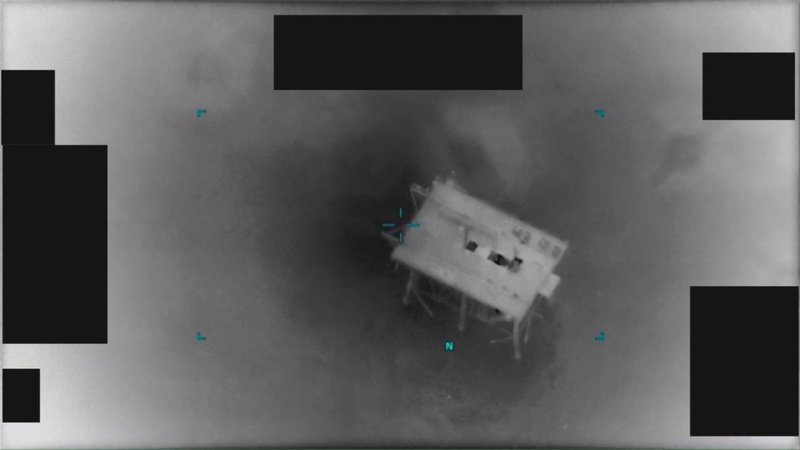
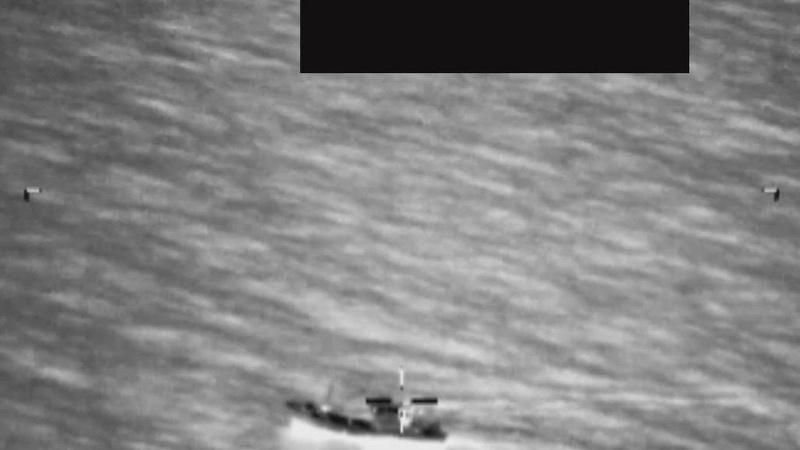 Official file · September 18, 2026A Military Sensor Zooms In on an Unidentified Area Over the East China Sea
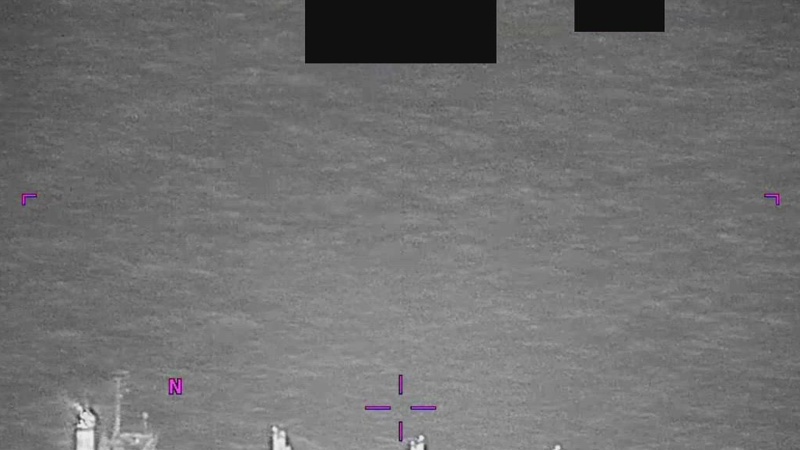
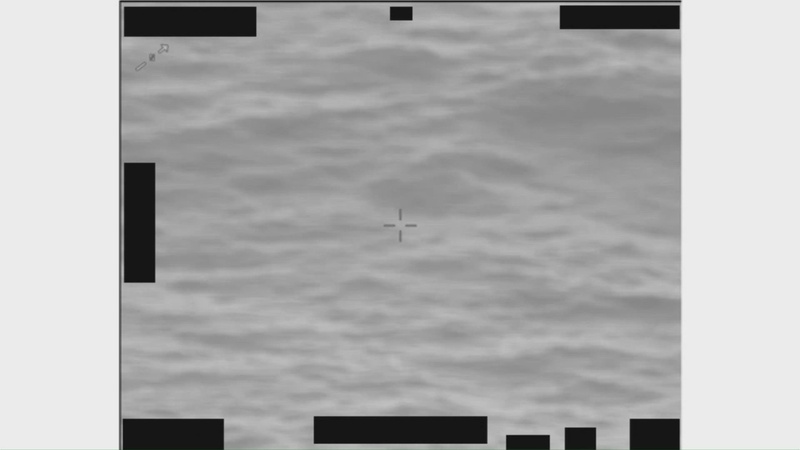
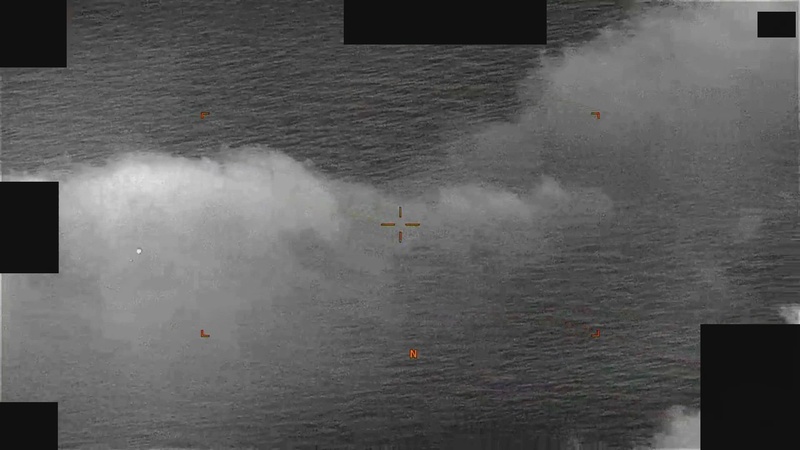 Official file · September 18, 2026Military Camera Tracks a Spot Over the Yellow Sea
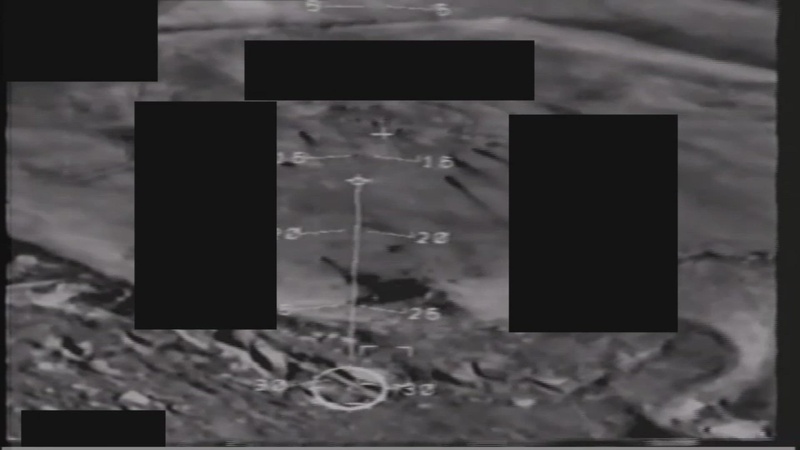
 Official file · September 18, 2026Iraq Image Shows Elongated Shape With a Trail
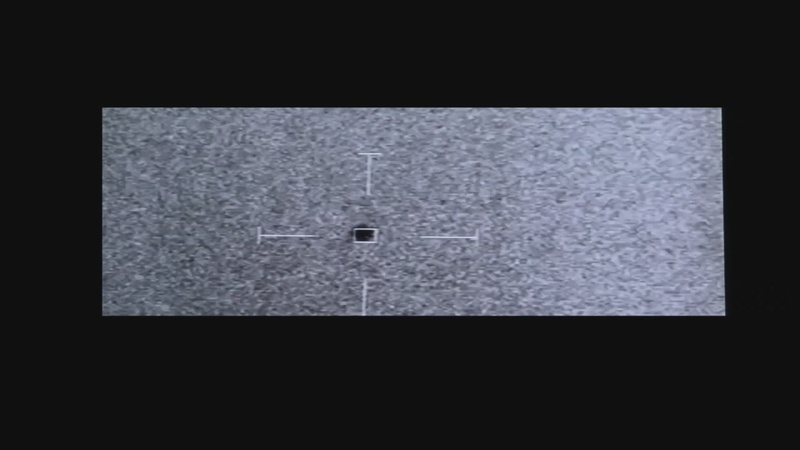
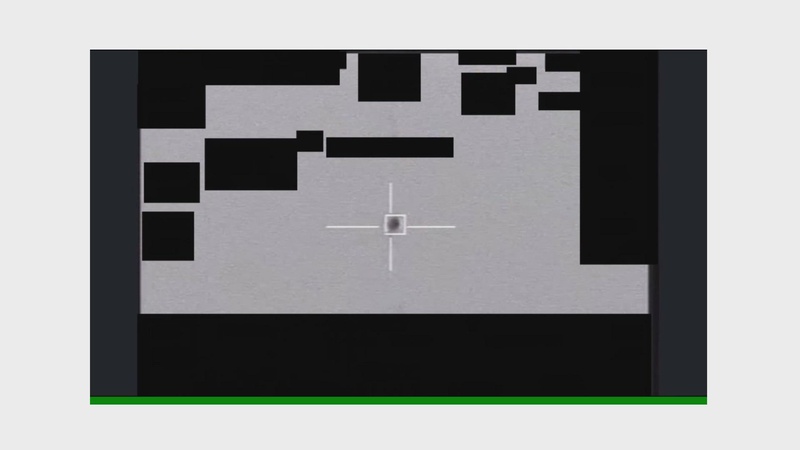
 Official file · September 18, 2026U.S. Crew Member Reports Fast-Moving White Sphere
Common questions about Thermal Imaging
What is thermal imaging?
Thermal imaging creates an image based on infrared radiation, which is related to the heat emitted by objects and their surroundings. It displays heat differences, not colors as they appear to the eye.
Can a thermal camera identify a UFO?
A thermal camera can document an area that appears different from its surroundings, but the image alone doesn't necessarily identify its source. In the reports on this page, many of the anomalies remain unidentified.
What's the difference between thermal imaging and regular photography?
Regular photography records visible light, while thermal imaging records infrared radiation. Therefore, a thermal camera can display heat differences even in lighting conditions where it's difficult to see with the naked eye.
Why does a spot disappear or blur in a thermal video?
The contrast between the spot and the background may change, and zoom, movement, or changes in sensor settings can also affect its appearance. Disappearing from the image doesn't prove the object vanished in reality.
Is it possible to determine an object's speed or distance from thermal imaging?
Not always. Without information on camera movement, scale, distance, and shooting conditions, it's difficult to infer the object's speed or distance from the video alone.