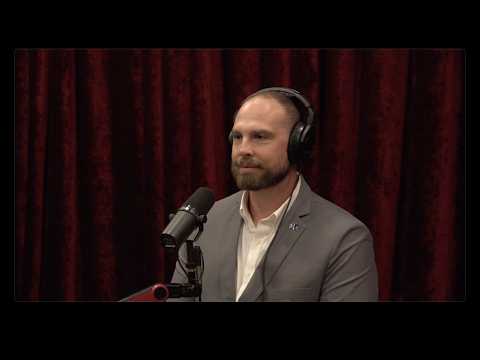
בריאיון ארוך אצל דני ג'ונס, תומאס קמפבל — פיזיקאי לשעבר בנאס״א, מחבר סדרת הספרים My Big TOE וחוקר תודעה — מציג את תפיסתו שלפיה התודעה היא יסוד המציאות, והעולם הפיזי הוא מעין מציאות מדומה המבוססת על מידע והסתברות. הוא קושר את הרעיונות האלה לשאלות על מוות, דת, אלוהים, סימולציה והקשר בין בני אדם לתודעה רחבה יותר.
קמפבל מספר על מפגש עם האל פוטוף, על עבודתו בעבר בנאס״א ועל ניסיונותיו בצפייה מרחוק. הוא מתאר גם חוויה שבה, לדבריו, סייע לאישה שנפגעה בתאונת דרכים באמצעות ריפוי על־טבעי; מדובר בעדותו האישית, ולא באימות עצמאי. בשיחה הוא טוען שאמונה ופחד עלולים להפריע לצפייה מרחוק, ומסביר כיצד הוא מתרגל אותה.
חלק ניכר מהראיון מוקדש לבינה מלאכותית: קמפבל דן בשאלה אם מערכות כמו אלקסה יכולות להיות מודעות, ובאפשרות שבני אדם ובינה מלאכותית יתפתחו יחד. הוא מציג את האבולוציה של התודעה כתהליך של הפחתת אנטרופיה והתקרבות לאהבה, אכפתיות ושיתוף. אלה רעיונותיו והשערותיו של קמפבל, לא ממצאים מדעיים מבוססים שהראיון מאמת.
עיקרי הדברים
קמפבל מציג את My Big TOE ואת תפיסתו שלפיה התודעה היא יסוד המציאות.
קמפבל מתאר ניסיונות בצפייה מרחוק ומספר על ריפוי על־טבעי של נפגעת תאונת דרכים, לטענתו.
השיחה בוחנת אם בינה מלאכותית יכולה להיות מודעת וכיצד היא שונה מתודעה אנושית.
קמפבל קושר התפתחות תודעתית להפחתת אנטרופיה ולהתקרבות לאהבה ולשיתוף.
הראיון עוסק גם במוות, בסימולציה, בדת ובאפשרות של תודעה קולקטיבית.
0:07Welcome back, Thomas Campbell. >> Well, thank you, Danny. I'm glad to be back. >> It's so awesome to be able to talk to you again, man. That first conversation we had was mindbending. And you said that you just uh you did a talk with some folks in Texas. >> Yes. >> And one of the gentlemen that was there listening to you was how put off. >> That's right. What was uh the purpose of that meeting and and who all was there? >> It was just a social meeting. >> Okay. >> It um didn't have any particular purpose other than a bunch of friends getting together. >> Those are the best kind. >> And yeah, it was that kind of a meeting and it was, you know, it was started out as a lot of small talk and whatever, but then it kind of >> passed around the room. People were kind of talking what they were into and what was going on. And it was uh just a very
0:54nice low-key social arrangement. U the I got an invitation from the guy who was the host and uh he also had put off as one of his friends that often comes I think to his house. >> Mhm. >> And these little gettogethers evidently occur pretty regularly >> with how. So it's the first time I met Hal. Of course I've known about him from a long time. When did you be first become familiar with him? >> Well, when he let's see, he and um who's the guy? Um two physicists, both of them physicist. The name will come to him in a minute. That's one of the disadvantages of old age sometimes. Words that you know real
1:40well, you know, pop out of your mind. Russell Russell Tar. >> Russell Tar was a guy. He and Russell Tar did the very initial testing of remote viewing at SRRI, Stanford Research Institute. >> And it was mostly amazing because that research got published in an ITE E communications journal which was ILE E is electrical engineering. So, electrical engineering communications picked that up as solid science and published it because it was another way of communicating that was unknown but the research was so good and so complete that you know they couldn't argue with whether it actually happened or not. It was really good research.
>> Yeah. H >> Allan Russell did an excellent job of double blind, triple blind, you know, the the protocols were. >> So was Hal was Hal very familiar with your theory with your theories and the stuff? >> No, he was not familiar with my theories at all. Um I had a chance to explain a little bit. Wasn't long a brief, you know, when you have a theory of everything, it takes a long time to tell somebody about it because it's about everything. So I had about 20 minutes, I guess. So I did a very short summary over parts of it >> and uh yeah I got a very warm response from Hal. >> He he agreed with it and uh >> and said it made sense to him. So that was good. >> We need more of of that interdisiplinary
3:12>> work being done where people like you and people like you know how people that are in different lanes of research get together and compare notes. I feel like that doesn't happen as much as it should. It doesn't happen as much as it should. You're right. That's where the audience really grows. As long as you have, you know, people all within the same bubble talking to each other, that bubble doesn't grow very much. It stays pretty much the same, >> right? >> And once you cross connect with other bubbles, then suddenly you have two bubbles worth of people. And if you get enough cross connection, now suddenly you're talking to an audience that's 5 10 times bigger than the one you were talking to. Which means the ideas not only do they integrate you know how does this idea fit into that idea you know
3:57where do they clash where do they agree that's important to know but also just the number of people who have now a bigger picture because they can integrate various viewpoints >> into one thing so it's really an important thing to cross-pollinate ideas >> you know when I met Hal I didn't really have an idea that he had never, you know, heard my name before. You know, I think I was an unknown to him. He was known to me because of that uh it e article that he published. That was that was a a huge leap >> for those of us who had been experiencing, you know, paranormal things that he got his research in a technical journal published as fact and
4:44that was way ahead of its time. And eventually we lost that ground that we had gained and kind went back a little bit backwards. But uh he and Russell Ter were the ones that put the uh remote viewing program uh into the CIA for the first time. They were kind of the origin originators. He also did some work with >> Yuri Geller, >> right? >> He he did a and he did that also triple blind and and very good >> protocols. So it it stood up real well scientifically. >> But I don't know what happened to all of that. It's probably you have to dig deep in the in the record to find things because that was back in the early 70s maybe late60s,
5:29>> right? >> When he was doing that. >> Mhm. And then what was the story with the So you were saying the conference you were at in San Diego >> had lots of uh academ academic types, but you're saying they're becoming more open to this idea. your theory of consciousness. >> Yeah, they are at least letting people with different ideas outside of academia come and talk at their conference >> and not just in a room with 10 people but in you know I had a major uh spot on the uh what do they call it? Plenum I guess it's it's one of the major speakers. So anyway, uh and the the one they had before, which usually was at the University of Arizona, is where they have been, but uh that changed last time. But typically, it's been mostly
6:18academic. And of course, academia doesn't have a whole lot to say about consciousness. >> It's not really a subject that academia can get its its teeth into. Now they have a lot of hypothesis about all sorts of things. It could be this way, it could be that way. But very little it is this way or you know it is that way. Very very >> there's nothing m is that because there's nothing material that we can study. >> Absolutely. Consciousness is not part of the objective world. Consciousness is subjective. >> Consciousness it's your ideas, your thoughts, what you think, how you make your choices, you know how you interpret information. So that doesn't
7:05that doesn't um lend itself to objective studies, >> right? >> You know, studying what's in somebody's mind and what their thoughts are is is purely a subjective thing. I mean, even medicine, you know, has trouble with that. If I say I'm in a lot of pain, what does that mean? what you know it's personal >> right >> a lot of pain to me may be no pain at all to somebody else or a lot of pain to me may be 10 times worse than the person that's asking me how much pain I have so >> when you work with things that are >> subjective there's no way to really get >> we do we do do have we have psychologists right psychology which is
7:50kind of a similar thing where we can sort of diagnose things and prescribe drugs based bas on someone's mental state. So that's kind of like it's kind of like a an area of consciousness research or medicine. >> Yeah, it is. And it's it's good medicine and good research, but they don't really know how it works or why it works is the problem. They know that if they give somebody this medicine, twothirds of the time this will happen. You know, onethird of the time something else happens. And they don't really know exactly why this happens. and and the this that happens u will happen very differently in different people. So being able to say oh if you take this medicine this is
8:35exactly what's going to happen to you. They don't have that kind of detail. They just have very big you know can we say kind of the zeroorder solutions. Yeah. Which is this drug seems to work >> some of the time or most of the time. >> Mhm. But everybody's individual and even medicine itself has that same that same problem. You know, you get a prescription, it may really not work for you or work for you great or it may kill you if you're allergic to it or it may give you hives, you know, and there's you read the you read the things that come with medicine and there's like five pages of small print whenever you get a some whenever you get a medicine and it's all the possibilities.
9:21>> They're showing you all the possibilities. you could have these things and then they list 20 things. So, they really don't know how people, individual people are going to react to that. So, they don't really know what they're thinking, what they're feeling. They're guessing and they're using statistics and probability. >> Exactly. And with psychotropic drugs or any like any kind of these drugs that alter the mind and the and the mental state, >> it's sort of like we're throwing stuff into a black box >> and measuring the reaction that we get from it and therefore we can sort of predict how these compounds or these chemicals will uh affect other people's consciousness, right? And it's not like
10:07we're we're they're not trying to understand what is consciousness or what is the mind. It's more of just like let's throw this in there and see what comes out. >> It's something like that. >> Something along those lines. >> And it's the same thing when they do an MRI and they look at, you know, they do brain scans and and uh they can see if you're concentrating, you know, you get different different configurations of where the blood goes and so on >> or the like the brain waves. >> Yeah. and the brain waves and in an EEG, but they don't really know what's actually happening and why it happens. It's it's not specific. It's general. It's all statistics and probability. Most people, >> right, >> get this reaction, but some people don't. And all of it, you know, is like a I don't know that it's a normal
10:53distribution. You know, statistics goes with a big hump in the middle. That's where most everybody is. And then there's tails with smaller humps and it goes out. So there's somebody way out here under this tail, you know, that's what they're going to get. But say 60% of the people will fall under the fat part of the curve and there's lots of outliers. So, medicine, biology, and the paranormal are all studied through observation and then making correlations and meaningful connections between those observations. None of those sciences are really mathematical. So, we, you know, Darwin was sailing
11:40around in the Beagle for about four years. He wasn't doing math, you know, he was taking observations and he saw connections between the observations and that's how his theory works. Well, all of biology is like that. >> You know, you remember the old the picture from I guess it was like 15th century, the guy's arm and all the tendons being lift up on a on a rod. I don't know if you remember that. kind of a famous picture where they first discovered tendons, you know, and what they had to do, you know, where they began to see the mechanics of the arm with muscle, you know, tendons and bone, how all that works. >> Before that, they had no idea how any of that worked. >> So, it's it's that sort of thing. Medicine is let's let's open that body
12:26up and see how it works. >> Yeah. >> Oh, it seems to work like this. But though most bodies may work the same way with tendons, how some individual is going to react to a stimulus is mostly still chance. It's still probability of how they react. >> So consciousness is the same way. You can do you can do good science in studying >> the paranormal. Say paranormal is just a part of consciousness. It's consciousness has those attributes that we call paranormal. And but you do it the same way. You have to do it from inside, not outside. If you're outside looking at somebody else, now you're kind of locked out from the experience. >> The biology and and Darwin and and
13:12medicine, you have to kind of get inside the experience. You have to get in, you know, you have to go inside the body. It's not something you do by just looking at the outside, >> right? >> So the way I did my research was, you know, I would change a variable. I would do something paranormal like healing or remote viewing, change a variable, do it again, see what effect the variable had on the result, change another variable and then that takes a long time. Science is is uh, you know, is very slow. Takes a lot of time. You have to be patient with that. But after 33 years of doing that, I thought I understood consciousness pretty well. Because if you understand all the paranormal things really well, then you can understand
13:57consciousness. >> Most holiday gifts are fun for a week and then they disappear into the drawer. And the older I get, the more I appreciate the ability to be able to give somebody the gift of being able to understand their health better. I've used Superpower myself, which is why I love the idea of giving it as a gift to people you really care about. Superpower tests 100 plus biomarkers every year, covering things like hormones, metabolism, vitamins, thyroid, and heart health. They don't just hand you a bunch of lab results and leave you to figure it out. They get you a personalized health plan with actionable next steps, plus access to an ondemand care team to help you understand your results and make an informed decision. And for me, one of the best things I love about this is it tracks your health results over time and looks at it as a trend instead of just looking at it as an individual
14:41snapshot in time. And for the holidays, Superpower has a limited time bundle that includes the membership, plus a whole genome test, giving you more than a 100 DNA insights from a simple atome cheek swab. So, you're looking at both what you inherited and what's happening in your body today. This holiday season, give the gift of better health with Superpower. And use the code Danny for $20 off at superpower.com. That's $20 off at superpower.com with the code Danny. After sign up, please mention the Danny Jones podcast when asked how you heard about Superpower to help support the show. I don't mean to interrupt your flow, but for the for the people that are listening and watching this for the first time who missed our first episode, >> explain how because you you were working with NASA
15:26>> a long time ago. How did you go from working with NASA to being interested in all of this stuff, consciousness? And >> I was interested in all of this stuff way before I got to NASA. way before I got to NASA. And it's kind of interesting. I actually started down this path uh probably in middle 20s, you know, a long time ago. >> Mhm. >> I got to NASA in probably 50s. So, there was a big gap there. Um anyway, there's a just to throw this out. I'll answer the question in a second. Just to throw this out, there's a there's a lady that I interacted with because she was in a bad car accident,
16:11was bleeding to death. So, I did some healing with her and I had been working on these kinds of, you know, paranormal things for probably six, seven years before that happened. I was 34 years old then. I'm 82 now, almost 82. Another month I'll be 82. >> So, it's a long time ago. So, I've been doing this for a really, really long time. And anyway, she uh did really bleed out and they had given up on her when I got called in to help and I fixed that. And then she had an overdose of >> uh whatever they give people for pain. Uh what is that usually? >> Morphine probably and she got an overdose dose of that that just about just about ended her. >> So anyway, she's writing a book. It's
16:56going to come out in the next couple of months >> about all those experience. Yeah. Her name is Silia Gooman. >> I was 34. She was 14. She was a daughter of friends of mine. Um that would have been in what the um middle 70s I guess. Long time ago. >> And she was in a car accident. >> She was in a car accident. Very badly beat up. And um a was a real bad accident. station wagon full of kids leaving a football game and had a really bad head-on collision and she was in the back, no seat belts or anything like that. So, she got mangled pretty badly and by the time they got her to the
17:41hospital, she was basically bled out. The doctors gave up on her. When I got to it, they would the first thing I noticed about it that the doctors had given up and said, "She's gone." So, that was when I started working. Where were did she lose a limb or something or >> No, she uh >> I think she had like both the legs were broken like three or four places. >> She was she just got thrown around in the back of that car as it spun and tumbled and it broke things and >> like hit a main artery broke like >> Yeah. She had she was doing some bad bleeding for where a bone was protruding out of her leg. God, >> that was uh I think that was the thing that was losing the blood and she got to
18:27the hospital a little late because she was the last one to be transported because she was the one that they had a hard time digging out of the wreckage. She was kind of pinned in the wreckage. So, she was a little she was the last one to go. >> And as the ambulance had her loaded up, it wouldn't start. the ambulance just didn't start. So, they had to send out something else to come pick her up. So, she got delayed >> and because of that delay, by the time they got her there, she was very close to gone. They tried whatever they could do to revive her and it was they weren't doing so well. So, she was there probably in that hospital for half an hour, 20 minutes before.
19:13>> Is this her? >> That's her. Sia. >> Wow. Yeah, that's Sylviac. She was 14 at the time. I was 34. >> Wow. >> Yeah. >> So, she got to the hospital and they were about to give up on her and they called Tom Campbell. >> Her mother called Tom Campbell because >> her mother called you? >> Yeah. I was friends with her mom and dad. We were friends and she knew that I did some odd things with my mind as far as uh you know, healing and and paranormal stuff because they were friends. I' I'd known him for probably a year or two by that time. Couple of years. >> But you weren't doing anything with NASA yet. >> No, I was not. I was with the Foreign Science Technology Center, Army Technical Intelligence at the time.
19:58That's where I was working. So anyway, um as a last resort, when the doctors called up and told her that she was, you know, looked like she was going to bleed to death, then her mother in desperation called me up said, "Can you do anything?" So I did. I just stopped what I was doing. Matter of fact, I think I think what I was doing was sleeping. It was it was late at night. So, I got up and started working on Sylvia and I was able to get her back get the doctors back going again. And then she uh she got better. So, they put her in she was in traction. She had wires and things all over. It was a real long recovery. She was very badly beaten up. >> How did you do this? Well, I'd been working in the paranormal
20:45for probably seven years, eight years by the time I was 34. I said met around middle 20s is when I started. So, I was in middle 30s now. I'd been a I'd been a while doing this. And healing actually is one of the easiest things that you can do in the paranormal. It's a it's a it's it's not a hard thing. The way it works, the mechanism involved is is that well we talked about it last time. This is a virtual reality and the way the system comes up with what happens next is a random draw from a probability distribution of the possibilities. So you have all these possibilities. Each possibility has a probability and then a random draw from that probability distribution is how the system decides
21:31what happens next. So what happens next is either she bleeds to death or she doesn't. And you can control those probabilities with intent. That's that's um you know the the um what's it called? The um you know effect where you give you a pill and they tell you it's wonderful so you get better. Placebo effect. That's how the placebo effect works. It's the same thing. You change people's attitudes and that can change the reality that they have. So in part we have some control over the reality over what happens to us. It has to do with our intentions. So if we're if we're a very positive person and things are good then positive things tend to
22:16happen and work out. If you expect disaster and the only luck I have is bad luck you know this kind of focus on you get you get that because you're modifying the probabilities of that coming true. So people create what they fear for the most part because that fear then modifies the probabilities to create what they're putting that energy into. So anyway, that was So how did I do that? I did that with manipulating probabilities at that time and it was a very close thing. But anyway, it um it'll all be in that book. >> So So was she conscious when you got to the hospital or was she unconscious? I imagine she was unconscious. ect. She was probably not conscious
23:02would be my guess. I didn't go to the hospital. >> Oh, you didn't go to the hospital? >> No, I didn't go anywhere. I started working on her within seconds after the phone call. I got a phone call that says Sylvia was in a crash. It looks like she's bleeding to death. Can you help? >> So, it's no time to go anywhere. I be there. >> Did you start meditating or something? >> No, I don't really have to meditate. I just started working on her. >> What is that? I don't know what that means. Like like actually, what did you do? I understand I understand what you're explaining with like the placebo effect and and what you focus on is you can make that become the outcome. >> Yeah. >> But like at that moment like what did you actually physically do? >> Well, I got out of the bed then I I don't have to do a meditation
23:49all that. I can get into that state in fractions of a second. It's easy once you've been doing it enough years. So, I got into what would be like a meditation state. I let the body go. I let all the things in the physical surrounding go and uh I went to Sylvia and see where she was, what she was doing, and what had happened. And I found her in the probably twothirds of the way through the process of dying. She had started dying before I got there, but she was just about at the end of that process. And I stopped the process and I did that with intent and then I started to reverse it and I got it reversed enough that then I went to the doctors and hollered at them.
24:36This is in my mind of course that she is not done she is can come back and you guys better you know get back to it. And I put that in the mind of the doctor. So in their mind they got that she's not dead yet. we need to hop to it because they got that message. That's a mind-to- mind connection. It was just another thing that you can do. All consciousness is is is netted. You can talk to your dog if you want to. You know, all consciousness is netted. So, I put that idea in their minds and they did a little quick um thing with the pulse and realized that it actually grown a little, which is what I had done. And then they went to it and did the the emergency stuff they had to do was I
25:21think they go maybe right into the heart or something and put in blood. It's one of those emergency last ditch effort things. And they did that and then she came back. So that's how that worked. But it's all a matter of >> So you just you just sort of jacked into the matrix and went over to her and you did you communicate with her when you were in this state? I did and I communicated with her, communicated with the parents. There some things I had to understand first. You don't just go in and do things. You have to under there's a lot of ethics involved in it. You have to understand and uh if it's if this is kind of meant to be it's on somebody's path of learning or growing or something then you generally don't want to you don't want to
26:07intervene. If it's not and there's some choices, you know, to be made. There was the one choice that had to be made very quickly before I started was if she ends up with permanent brain damage because of the loss of the blood to the brain for right >> too long a time because she had bled out, then were her parents all right with that? Would they rather have her damaged or or dead? Right. >> And I had to get that answer first. If they said no, if she's going to be badly damaged, then it's better that she pass, which is not an irrational choice. You know, it depends on how bad that that is. She was a very bright girl. Uh
26:55obviously had a lot going for her. Anyhow, I got that message back right away that they would rather I'm just talking to their minds, not to their in it wasn't their intellect wasn't involved in it. I was just talking to their their consciousness >> and they immediately said, "No, they'd rather have her damaged than not have her at all." So then I went on to try to save her. I didn't know whether I could or not, but I tried and it did eventually work. So a lot of it's metaphorical, you know, it's not just, you know, these things happen, but mostly you see things in terms of metaphors when you're dealing with with consciousness. >> It's not so much you see physical things, but you see metaphors for things
27:40and you >> you have to work with those metaphors. But like I say, I'd been I don't know, six, seven years at, you know, working on this stuff already. Basketball's back and football's going strong. And Prize Picks is still my favorite way to stay locked in on the players I'm already watching. It's daily fantasy and the app makes it super simple. You pick two to six players, choose more or less on their stat projections, build your lineup, and then follow everything as it plays out live. And you can mix multiple sports together. I can take more or less on rebounds and touchdowns or total yards in a football game. You can put them all in the same lineup and enjoy the ride. Prospects also invented the injury reboot. So if a player in your lineup gets injured in the first half and doesn't return to your lineup, you can
28:25steal cash. The injury protection policy helped users win over 31 million during the 2025 football season alone. So if you're already watching basketball and football, Prize Pix gives you another reason to care about every play. Download the app today and use the code Danny to get $150 instantly in lineups when you win your first $5 lineup. That's code DNY to get $150 in lineups if you win your first $5 lineup. Prize picks. Run your game. What do you think happens to our consciousness when our physical body dies? >> Well, I can tell you exactly what happens to your consciousness when your body dies. And how could I know? Cuz I'm not dead. But there's two ways that I
29:11got the answer to that. And that is one, you can do a mind-to- mind connection with someone >> who's dying and then you just follow with their consciousness. You're you're connected to their consciousness and you can follow and experience what they experience. It's you know, it's just a connection. People do it all the time, but they don't really know they're doing it. You know, you you'll think about that guy you went to school with 20 years ago and when you're thinking of him, then he gets that message and he starts thinking of you and then within a couple of days a phone rings and you two talk to each other. You know, those kinds of things happen all the time with people because it's just a mind-to- mind connection. One thing triggers the next and pretty soon you're both thinking
29:56about each other, wondering what you did because you were really good friends 20 years ago. And then somebody picks up the phone because they've got this this idea. Well, I'll find out. And >> and you say, "Yeah, I've been thinking of you." Yeah, I've been thinking of you, too. You That's the way it works. So, the mind of mind is something that's natural enough, but it's different when you get to when you get to uh control it according to what you want to do with it rather than just the way things naturally play out. So >> yeah, I've had those experiences and they often seem very very meaningful when you're thinking about somebody you haven't thought of in a long time and then like it's happened to me where I thought about somebody who I never talked to >> who I don't have a close relationship with and like they're some for some reason a thought pops into my head about this person like wow that's like like
30:42okay whatever and then that person calls calls you and it's like what this person's called me two times in my life and it happens to be >> one of the times them randomly thinking about them, which I never do. >> Right. They were thinking about you first probably and then you thought about them when they thought about you. You got that message and then that thinking about him and him thinking about you traded and then he picked up the phone and called. >> But here's where I start to question it is I remember that because he called me, >> right? And I'm putting this profound meaning to it and it's stuck in my brain. It'll probably I'll probably never forget it, >> right? >> But I forgot I've forgotten all the times that I've been thinking about
31:28somebody similar to that and they've never I've never gotten a phone call. >> Yeah. Well, they weren't receiving, you know, >> right? Just because you send something doesn't mean that they will pick it up. If they're very sensitive or if they happen to be in that mood where they're quiet, not really busy doing anything, where they're, you know, they're kind of in a still space. Mhm. >> Then they are more likely to receive that message. Now, if they're not, they'll still get the message because you sent it, but it won't come up into the intellect. It'll be just down there in the in the noise beneath the intellect. >> But if you get it up into the intellect, then they will be aware of it. And for them, it's just an idea that pops into
32:15their head. So, everybody isn't aware. and he just caught you at the right time evidently when you were kind of drifting a little bit perhaps or your mind was open and kind of want you know >> I was driving so it's one of those moments where driving daydreaming. >> Yeah. So you were receptive to it so that's why it happened to work and it doesn't always work because the person isn't always paying attention. There's something weird about driving where like you have those moments. I feel like I feel like I do when I go on road trips and I'm just driving and I'm not really listening to anything. I'm just sort of like I maybe have some music in the background and >> my mind just seems to wander off and then all of a sudden an hour passes. I'm like how the hell did I get where I am? Like I haven't been paying attention to anything. >> Yeah. A lot of people do that say when
33:01they're driving home and they'll get to their house and pull in the driveway and it's like how did I get here? I don't remember the last, you know, 20 minutes. It's totally gone from my memory. >> Right. >> Yeah. That's because you're doing things that you do often. So, it's stuff that you, you know, you're you're moving your arms and legs and feet and the stuff you need to do to control the car is pretty automatic. >> Mhm. >> And you're still seeing what's going on on the road. You still stop at red lights. You still, you know, do all those kinds of things. But your intellect is no longer there. You're on like autopilot, >> right? >> So, you're functioning. You actually are seeing things, but your intellect is not processing it. So, you're still probably
33:48a pretty safe driver. Although, if it was one of those critical things where somebody swerves in front of you and you have to do a, you know, d a dramatic maneuver to escape the problem, you may you may not be very good at that. M >> but if it's just a normal drive home then your intellect can go someplace else or nowhere. You can just drop out. You're not really thinking of anything. >> Right. >> So that uh that happens to most people every once in a while. >> But it's happened to me mostly on the way home because I go home so often. you know, you go you take the the same roads and the same trip home >> and uh it's not a lot of thought. Going to the office, you're thinking about what you need to get accomplished, what you need
34:33to do first, what you need to do second, who you have to talk to. So, your mind is a lot more active. >> Going home is going home. You're going to go home and then, you know, you're going to pet the dog and >> right >> read the newspaper or whatever. So, you're kind of in a relaxed frame, not really working on things. So it's just a it's just the way consciousness works, but you can still drive a car because that's pretty mechanical. >> Yeah, absolutely. So um when you started working for NASA, were they interested in any of this stuff that you were looking into or was it totally completely different? >> It's completely different. It had nothing to do with this had nothing to do with NASA. Matter of fact, NASA was the very first place that I blew my
35:18cover in the sense that nobody where I worked. I worked in missile defense for a while um for some years >> doing various things and my life as a you know with consciousness was totally unknown to the people I work with. those two were just kept separate and I tried to keep them separate but when I got to uh NASA what they what I the way I tended to work as I I made big complex uh computer models of things and they were complex enough and big enough that people there couldn't do it themselves. It was too hard. They had tried and
36:03failed and they just couldn't get their arms around it. It was a really big problem. So then they went out looking for a consultant. I was working as a consultant and uh they picked me up because I had a I had a kind of a reputation in the community for solving problems that other people couldn't solve. >> So I got there and started to work and the first day I walked in, of course I had this badge. I had gotten my badge and had my name on it. There was two young people there in their late 20s, early 30s, I guess. Now I'm in my 50s probably. And uh I walk in and the young man says, "Are you Thomas Campbell?" Well, you
36:49could read that. And I said, "Yeah, that's my name." He said, "Are you the Thomas Campbell I heard on Coast to Coast?" And I didn't know what to do for a moment, but then I said, "It might as well just be honest." And I said, "Yep, that's me." Oh, great. I heard that episode. Can I got some questions? Can I ask you questions? And then he told the other There's young people. Typically, the way I work is I get a group of young people who are good at coding. You know, I make real complex software. I don't do the coding. I write the equations. So I write all the equations and I hand them equations and they they put those equations into code and I write it all out not in real
37:37rough code but I don't make anything that actually would work. I just so that they know what I I want them to do. So typically they would pair me with about five uh you know computer guys that would that would do the software. I could write equations fast enough to keep four, five people busy doing the coding. And mostly they were young kids fresh out of college because that's those are the people do the best coding because they've they've studied the latest languages and right >> and they're they're current on it and >> don't have a lot of opinions and they've been taught about documenting and once you get older you kind of forget about documenting. But anyway, so I had several of these kids and they got it. They passed it around. So then every
38:22morning when I come in, we sit down for a half an hour and they'd ask me questions. But it didn't pass around to the people above. They evidently kept that to themselves. So nobody actually >> think you would run into trouble if >> No, I don't think so. They needed me to do the problem. So they would have they would have overlooked any quirks I had besides every week or two weeks I had to report to them my progress and they were happy with what I was doing. Mhm. >> But that was the first time that at work there were people where I worked that knew my other life that I had as a consciousness researcher. So that was and it didn't turn out badly at all. It actually turned out pretty good. >> I immediately got the respect of the
39:08young kids and they worked really hard to do a good job. >> Do you think NASA has any interest in studying consciousness >> officially? probably know unofficially still probably no and that's because NASA's not the same NASA that put the first man on the moon. NASA changed just it was actually just before I got there they had a a big change when I say just before a year or two before I got there they had a real big change where they started to not do the work in house but to farm it out to >> right >> you know industry and that was a big change and the reason for that was
39:54budget their budget had to be reduced but they still had money to do their projects but their own budget and people were were tight. So they went through this process and in order to save money, the government does some strange things. And what they did with NASA is they gave all the employees of NASA an early out. That's what it's called in the government. In other words, we'll give you $30,000 if you retire now and we'll give you your full retirement like you were working for 30 years. >> Oh wow. So there a lot of these guys had put in 25, 27, you know, they were up there. They were the senior people. They were close to 30 or they might have been over 30 a little bit, but anyway, they got a bonus plus
40:40>> full retirement. >> Plus full retirement >> and that would get a lot of the heavy salaries out. So suddenly they save a bunch of money. >> But what they didn't think about is all their expertise walked out the door at about the same time. And when I got to NASA, I walked in with this this head of hair and they and my beard and they said, "Oh, a gray beard. We need a we need a gray beard." That's what they called me. Says, "We need a gray beard to tell us what to do." Says, "We're all young people and we have no idea how to solve these problems or what to do." >> Wow. >> So, the average age of NASA dropped a lot. The salary in NASA dropped a lot, >> right? the salary pool was probably half or less than what it was before, but
41:26they had a whole bunch of young people >> with nobody to to pass the knowledge along. >> So that was where they were. And from that point on, then they started farming more and more stuff out because industry had more of the people, you know, that knew what was going on and could do the work. So that became then NASA became like contract managers, >> right? manage the contracts of the people who are actually doing the work. The reason I ask is when it comes to space exploration, especially around the von Braun era and the moon, the era of the the moon landings, >> the people that were the most deep in this world of rocketry and space
42:13exploration like Jack Parsons, von Braun, there for them it there seemed to be more to this stuff than just the cold, sterile, materialist view of building rockets and blasting chemicals out the back. They seem to be >> into so much. There seem to be so much more to it. Not just, you know, their interest in the occult and all this other phenomena, but the symbology. >> Yeah. You know, >> there was. And I think that's because they were the first there after uh all the pictures came back and everybody had seen them. And then it got to be a little more of old hat expected. But the first guys that got up there and looked back and saw Earth as a as a little blue
התמלול קוצר כאן. אפשר להמשיך לצפות מהרגע הזה בנגן.