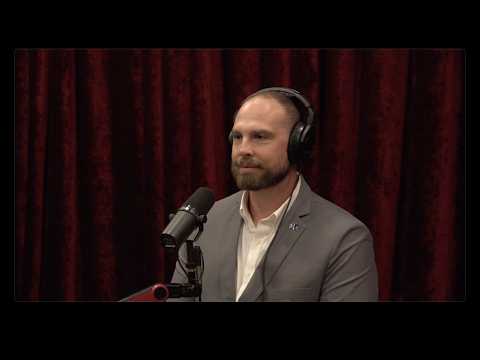
Robert Martinez on Reality Check: his unusual client
N
NewsNation
Interviews
161K views · 2 days ago · 1:07:04
Ross Coulthart interviews Robert S. Martinez, a retired attorney, about an extraordinary client. Viewers will gain insights from his legal perspective.
0 comments
No comments yet. What did you see? Drop a timestamp (like 12:34) and everyone can jump straight to it.
Ross Coulthart interviews Robert S. Martinez, a retired employment lawyer, about a client he represented in New Mexico in 1996. Martinez says attorney-client privilege prevents him from naming the man, who came from Alamogordo and worked for almost 50 years for a government contractor at White Sands Missile Range. According to Martinez, the client described moving from monitoring space to coordinating the recovery of crashed craft. He also spoke of photographs from the 1947 Roswell crash and fighter jets lost in encounters with unidentified craft.
Martinez recounts taking the case to Congressman Steven Schiff, who was pressing the Air Force for Roswell records. He says his client died the day after his meeting with Schiff. Martinez also describes a stolen case file and incidents that left him and his girlfriend hospitalized. He considers the client’s death suspicious but says he has no proof it was connected to the meeting or that the death was unnatural. Coulthart asks about the accounts and whether Martinez would testify to Congress. The interview presents Martinez’s recollections and claims, not independently established proof of a crash-retrieval program.
Key points
Martinez says his client worked almost 50 years for a government contractor at White Sands Missile Range.
According to Martinez, the client described coordinating the retrieval of unidentified crashed craft.
Martinez says he took the case to Congressman Steven Schiff, who was seeking Air Force records on Roswell.
Martinez says his client died the day after his meeting with Schiff, but offers no proof the events were connected.
The client remains unnamed because of attorney-client privilege.
0:07Good day and welcome to Reality Check. I'm your host Ross Kulart. Now today I'm bringing you a quite extraordinary story. A story that goes into the allegations of UAP UFO crash retrieval programs. secret covert black state programs being operated right under the noses of Congress, various people in oversight agencies in government. And the only reason we're finding out about what this particular person is telling us about today is because he was a lawyer who was entrusted with these incredibly dark secrets by his client at the time 30 years ago. It's an extraordinary story, so stick with me
0:52today. Robert Martinez is a retired lawyer living in Tucson, Arizona. Educated in Ohio, he worked for the Civil Rights Commission there for two years before moving to New Mexico to practice civil rights law around Albuquerque, specifically employment discrimination cases. He moved to Arizona about 20 years ago. But before he made that move 30 years ago in New Mexico, a client came knocking on his door whom I'm suspecting it's fair to say changed Robert's life forever. That client worked in some very sensitive national security locations in what
1:37we'll call the legacy UAP UFO program. That client's real name and the company he worked for has to stay confidential. But Robert's given him the pseudonym of Dwayne Becker. Now, Robert and I have been talking for quite some time about the extraordinary things he was told by his client, and we've hammered out a way of talking about this case without breaching the very important attorney client privilege that every practicing lawyer, including retired lawyers, are legally required to respect. So, Robert, before we start, let's just clarify. Everything that you're talking about here today, you say is absolutely true.
2:24This client existed. The company you're talking about existed. This is an authentic account of a real case that you were involved in with a client in New Mexico 30 years ago. And by the way, welcome to Reality Check, sir. >> Thank you, sir. It's a pleasure to be here. It's a pleasure to be talking to somebody as knowledgeable and as intelligent as you are. I always said if the m the mainstream media was half as intelligent and courageous as you, the government UFO coverup would have been blown 79 years ago. >> Well, we can only but hope, sir. We can but hope. >> But to answer your question, yes, this this book was based on actual facts, true events that occurred with an actual
3:10real client. Uh, and that's why the name of the book is my most unusual client because of about 30 years of practicing law, I I never had a client like this one and and it it's stayed with me all these years. Today's sponsor had one of their customers saying their product changed her cat's life. In just two months, her cat was like a kitten again. And now I'm going to do a bit of investigating on something that might already be in your home. Cat food. I don't have a cat myself, but many people in my life do, so I know way more than I ever planned to about cat nutrition. And when I
3:55recently looked into what's in a lot of cat food, honestly, it kind of shocked me. Most of what's out there uses meat byproducts and gets cut with cheap grains, fillers, and artificial ingredients. Basically, it's stuff that isn't great for your cat. Why? Because it's cheaper to make. Big pet food saves on cost and your cat pays for it with their health. That's where our sponsor, Smalls, comes in. Smalls is fresh cat food. It's made with proteinpacked recipes using
4:40preservative free, 100% humanrade ingredients, the kind you'd find in your own fridge. And it's delivered right to your door. Their fresh recipes are made with at least 80% animal protein, and they're gently cooked to retain all the nutrients and flavor. Cats use protein as their main energy source. So, more protein means more fuel and sustained energy. >> [gasps] >> A balanced diet also means less shedding, fewer hairballs, and more silky shine. And because more of the
5:25nutrients are digestible, there's less junk coming out the other end, which means less stinky poops. Your nose will thank you. Forbes rated Smalls the best overall cat food. And after switching to Smalls, 88% of cat owners reported overall health improvements. Spooked by commitment? You can try Smalls risk-free. They'll refund you if your cat won't eat their food. Your cat's health and longevity starts with what they eat. for a limited time because you are a reality checklister. Get 60% off your first order, plus free
6:13shipping and free treats for life when you head to smalls.com/ ross. one last time. That's 60% off your first order, plus free shipping and free treats for life when you head to smalls.com/ ross. So, the subtitle for the book, My Most Unusual Client, is the shocking truth of the alien agenda. You're saying, sir, your client actually told you he was working on an alien technology UFO retrieval program for sections of the deep state. >> Well, I don't want to mince words. Uh he
6:58told me that he was uh assisting or coordinating the recovery or retrieval of alien spacecraft. >> Let's go into some of the detail. So, you're using a pseudonym. Why do you have to use a pseudonym? Why can't we name this client? I understand this client is now dead. Yes. Um, there's a popular notion out there amongst the public that the attorney client privilege dies with the client. Uh, and unfortunately or fortunately, that's just not the case. It's not true. I I still have an attorney client privilege with the decease, but it's passed on to the personal representative of that
7:43client. So, I I have to be very careful on what I say regarding his identity. >> But just to be clear about this, Robert, just to show how serious you are about this, you're a a you've been for a long time, I think for 30 plus years, you've been a very wellrespected lawyer working in employment law. you understand the significance of swearing a deposition. Let's hypothetically put it to you. If you were asked to swear on oath to the truth of what you're about to tell us today, would you do that? >> I would have no problem with that. Uh other than revealing the identities, I can't think of anything else. Oh, there are a couple of places in the book and I specifically say it's u protected for national interest. Uh there are certain
8:30things I I can't reveal uh due to security, national security issues. Other than that, yes, I can swear as to the events and what had happened and and to the the the reality of this client, this was a true client that walked into my office. And so to be clear as well, the attorney client privilege it, even though the client is dead, even though there are exclusions under the non-disclosure agreements that have been given to certain government and corporate employees under the UAP laws that allow disclosure and transparency, you are curtailed by your attorney client privilege. There is no protection for you that allows you even to come forward to a a secret congressional skiff and give this evidence in a secret
9:16congressional skiff. You're just not allowed to breach the confidentiality of what you've been told by your client. >> There are exceptions and if I was asked given the privilege to meet with Congress people in a skiff, I would look to see if I could fall into one of those exceptions. One of the exceptions off the top of my head would be uh obtaining the consent of the person hold who holds that privilege right now. Just like in the book when I was going to meet with the congressman, United States Congressman Steve Schiff, I I had to first secure the permission and consent of my client to share the details of his case with him. [sighs] >> So, let's go through the specifics of what your client told you. This guy
10:02literally walked into your office. What did he what did he tell you in the first meeting? >> How he wouldn't tell me anything. And I showed him the door and he offered to pay twice my retainer. And I said, "No, I can't take this case. You're not going to tell me what you did. Everything is national security. Everything is classified. I can't take a case. I don't know what I'm talking about." And so I refused his uh his visit and he went home. And that home was in Alagoro. It's over three hours from Albuquerque. I I felt bad seeing him leave because now he came up for nothing. Now he's going back three hours. But he left me no choice. He came back two weeks later a different
10:47person. Uh the first time he came he was very upset. He was mad. He was screaming revenge. He wanted to get the employer. And then two weeks later, he came back calm and collected and said, "Okay, I'll tell you what what you need to know." And then I made a Oh, I'm sorry. >> So, how long how long had you been working for this company? >> Almost 50 years. Yeah. And he worked in different locations, had different titles, performed different things. He didn't always coordinate this retrieval program. He he started off very low. He came off a ranch in New Mexico uneducated uh under the age of 18. Uh he came in at the very bottom and he worked his way up
11:32over the years >> to bigger and better positions. >> I I think you told me that it was 1947 that he first began work for what we now call the legacy UFO retrieval program. >> That's true. Uh but not before Roswell. He came in after Roswell after everything was ch everything in that area. New Mexico started to change after Roswell. >> What did he tell you about the 1947 Roswell incident? >> He was well aware of it, but he had secondhand information. He really wasn't involved in it. He came in afterwards. He said he had seen photographs of the pictures of the spaceship, a cra a a
12:17wreck a wreck spaceship and of alien bodies. I didn't want to go there and I see I didn't know he was I don't want to ruin the ending of the book, but he [clears throat] was about to die and I didn't know it at the time. And so I thought I would have plenty of time to explore all these other details. at the moment. I need to get the facts of the case to see how good of a case he has. >> But what was it what was it like for you as a lawyer though? Somebody who, as I understand it, had had no knowledge or interest previously in the idea of aliens or alien technology or spacecraft. What was it like for you to hear this person making these allegations that he was working in this secret program? >> I didn't know anything about the secret program. I didn't know anything about the recovery program, but living in New
13:04Mexico, you would have heard, you would have to be uh deaf not to hear about Roswell. Everybody was talking about that for a few years. And I had heard that from the year before when Steve Schiff, the US congressman, made it an issue. and he pushed the Air Force for um disclosing the documents surrounding Roswell and they were giving him the runaround. And what the Department of the Air Force didn't know that this man was highly motivated, highly intelligent, he was chairman of a very powerful committee in Congress and he was using his leverage to find out where those documents were. It was Steve Schiff, US
13:49Congressman, who forced the Air Force to change their cover story from 47 on Roswell. All along they were saying it was a weather balloon. And because of Steve Shift's efforts, they they backed off that and they said, "Well, it really wasn't a weather balloon. It was uh Project Mogul." Well, now this is the third time they've given us a different reason on the crash. First reason was it a recovery of a disc and then it changed to a weather balloon and that was project mobile. So kept pushing >> ju just to introduce this your one of your colleagues one of your law firm colleagues knew congressman Schiff and he facilitated the introduction. >> Yes. uh uh another attorney who also
14:36happened to be practicing employment law who was in the same building as myself had a close relationship with Steve Schiff and he knew more intimately than I did. I only knew from what I read in the newspapers uh that Steve Schiff very popular in New Mexico, but he was getting ridiculed in the newspapers and they were tearing him apart because his he was pursuing this UFO Roswell connection and they were making him look rather u dubious. So when when his friend found out that I had a client who could vouch and confirm some of this stuff, uh they wanted me to meet with Steve Schiff to find out if what we can do about getting
15:23the client in and helping rehabilitate. >> Did you do that? >> Well, I didn't think uh we should go that way. Um I was very hesitant. I have to protect the identity of my client and the things he told me. So, but I would be willing to hear the congressman out and see what uh he had to say. So, at a fundraiser, uh I was introduced to the congressman by this attorney and the cong and the congressman was very polite, a real gentleman, and he said, "You know, I know the position you're in. I will swear to you this will be kept confidential. No word will get out." But his complaint, the congressman's complaint was he was hitting a stone wall with the Air Force
16:09and he had nowhere else to turn and he thought he could springboard off what my client has to say and go into a different direction to be able to get these documents to find out what happened at Roswell. >> Now, at this time, Robert, did it ever occur to you that you might have been under surveillance? >> Eventually, not at that time. But if uh actually it was at that time because a few days earlier uh I had a hearing um at the Department of Economic Security. It's branch of the Department of Labor in New Mexico representing my client because the employer had denied him unemployment benefits, believe it or not, even though they fired him. Well,
16:54when you get fired, you don't usually get unemployment benefits. And my client said he didn't get fired. He was he was fired. I mean, he did get fired. He didn't resign. That's what I'm saying. If you resign, you don't get unemployment benefits. And so, uh, yes, he had warned me that you don't know what you're getting yourself into. Be very careful. They could they could be tapping your phone. They could be listening. They could be following you. And um I didn't take it very seriously until I got that facts from opposing council where they attached the espionage act and under the the paragraph under penalties they under underlined the word death. This is coming from a a lawyer in Washington who
17:39who makes threats like that. I had never seen anything like that and it scared the hell out of me. So these lawyers were acting for this was a big city law firm in Washington DC acting for what was supposedly a fairly small company in uh New Mexico. >> At the time it was a fairly small company and um they had um their headquarters in Washington. So I wasn't too surprised that the lawyers would be coming from Washington. What I was surprised was their behavior at the hearing. Uh they came in first of all the entry of appearance which they had sent me which was which was what the espionage act had been attached to. Um there were two attorneys. Now they sent two attorneys and both of them had these thousand suits and here I came in with
18:24my sports jacket and bolo tie and that's the attire for New Mexico and they harassed and intimidated me and the judge uh the administrative judge. I couldn't believe their behavior. I maybe I've always been around ethical attorneys. Uh I've never seen this type of behavior before coming from a lawyer. And so at the end of the hearing, the judge issued the decision from the bench, which that never happens. It's usually two or three days later, four days later, you get a decision in the mail. But he he had enough of these guys. Um, I think they came down not so much for the unemployment hearing, but to see how strong of a case we had and what I knew about the case and about what he did there. And also, they didn't
19:11go right home. They stayed um, and I I suspect they stayed to come up with some sort of strategy on how they're going to deal with my client. [clears throat] But crucially, you saw the underlining of the word death in the document that they sent you a copy of the Espionage Act. You took that as a threat, didn't you? >> I did. I did. I shared it with another uh lawyer, the same lawyer who was good friends with Steve Schiff. And Steve Schiff, that is his real name. And he is a real congressman, was a real congressman before his death. When Steve Schiff heard about your client, he wanted to talk to him, didn't he? >> Immediately,
19:57>> what happened? >> The client up until that night at the fundraiser had been very cooperative. He had difficulty finding a lawyer who would take his case because at the time in the mid 90s, there weren't many. This is this was basically a new area of employment law that many lawyers weren't practicing in. I happened to be practicing in it because I had a master's degree in labor and human resource management. It was a natural it was a natural fit and but there wasn't it was difficult to make money at the time until they amended the civil rights act because they didn't have attorney fees and they didn't have emotion compensatory damages. But that all changed in the 90s and people were getting into it. But there weren't that many employment attorneys in New Mexico doing this type of law. He came to see
20:43me. I I took the case. He was very cooperative. I I turned it down originally first time, but when he came back the second time, uh he was very cooperative, very forthcoming. And I we had after he told me what he was into and what this case was about, I told him, I don't think we want to litigate this. They're not going to want to litigate this. This this is too classified and it's basically too shocking. Um let me do a demand letter. let me approach the employer and see if we can get this thing settled right away. Now, generally in employment law, demand letters are basically a waste of time. Unless you have a smoking gun, unless it's a slam duck case, it really
21:28isn't worth the time of the attorney to write these things. But I did it in this case because of the circumstances. And I told him, I need one, I'll advise you on a figure. We need to discuss that. And two, um, I needed I needed something else. I forget what it is off the top of my head. >> But you needed the you needed the you needed the detail, didn't you, of what he'd actually done. What you needed what you needed in order to set out this letter of demand was essentially to detail what you now knew about his activities on behalf of this company in this UFO retrieval program. >> No, no, no, no. I wasn't going to bring that up. I I told >> you would >> Oh, no. I
22:14This is all classified stuff. I didn't want the employer to know that I knew this stuff and I really didn't know a lot. I didn't know he was going to die for I only had two long conversations with him about this and it took me by. It just I didn't know what to say. I mean, I I I took meticulous notes like a good lawyer. I listened and I took notes and he kept talking, but there was a lot more. and and things that were clearly top secret. I said, "I don't want to hear that." When he brought up the aliens, I didn't want to hear that. But he told me a lot of other stuff. I didn't need that stuff to write the demand letter because we had the law on our side. He had a good age discrimination case and that's what I was there to argue. >> So, he'd been with them for 50 years and
23:00what had happened? They just sacked him. >> No. Well, it wasn't like that. Um, they want him to retire. There were things going on and this is in the book regarding the details regarding the secret war that was going on which was his main concern. He didn't like the fact that pilots were dying. Planes were were being dropping out of the air. We were losing a lot of pilots and planes. And at one point, he knew the family of one of the pilots that died in one of these crashes. And he broke down crying at his desk in the office. And and he was the oldest one in the office. And all the other co-workers were shocked. They never seen an older man break down crying. And they thought, "It's time
23:46that it's time that he goes. He can't stay around." And so they what did they actually formally sack him or was he told to resign? What happened? >> Well, the bottom line is they did. But before they did that, they said like two years earlier said, "You got to retire. You got to retire." He said, "No, I'm not going to retire. I don't have a family and this is my family. I don't know anyone else. I've been here long enough at that point was like 48 years, 47 years. I'm not leaving." Well, they didn't like that. So, they made up an excuse or they found something to retaliate and they demoted him. And then uh a year later at the next performance review, they had another uh assessment and they asked him again, "You need to retire." And and he said, "No, I'm not going to retire." And they demoted him again. And then they harassed him. And
24:31then finally when he wouldn't retire after three years, he said, "You're fired. You're terminated. That's it. Goodbye." And and then they fought his unemployment. They fought his pension. They they had he had a severance payment that was due him. They held it all back. >> Can I ask you this, Robert? Your client died, didn't he, before you got the chance to litigate this case? >> He died real fast. >> Is that suspicious? >> At the time, I didn't think he was suspicious because I saw how he acted that first time he came to my office. He was an older man and I'd never seen an older guy get so excited and so worked up. He was really mad. I thought he was going to have a heart attack right there. And I had just met the guy and and that's why I showed him the doors. I can't take your case. Um, but under the
25:18circumstances later on, looking back, it was really strange because this guy was very cooperative. He was very happy. He returned all my calls immediately. As soon as I had that conversation with Steve Schiff, I called him up. I said, "I need to talk to you right away. This is important. Uh, this is not about the offer to settle a demand letter. This is I met with Steve Schiff and I need to advise you." He didn't call me back. So, I thought Friday night, but I was still worked up. I was surprised I got the congressman's attention and maybe I could get get the client involved in this. So, I called him up over the weekend, which I normally don't do. He didn't call me back. I came to work on Monday morning expecting there'd be messages from him. There were no messages from him. I called him Monday,
26:03Wednesday, Friday, and then the following week, I finally wrote him a letter threatening withdrawal of my representation if he didn't respond within 24 hours. Three weeks went by, never heard from him. So, I looked up his intake form and under in case of emergency, there was a phone number in a in a woman's name. I called up that woman. I said, "I'm looking for Dwayne. Do you know what happened? I'm I'm his attorney." And she, "Oh, I'm sorry. You didn't know. He he died. We think he died about three weeks ago. What did he die of?" He goes, "Well, we don't really know. He's been dead for so long. No one knew. He's He's estrange from me. I I I was called as a last resort. I haven't seen him in years. Then I found out.
26:49>> Do you suspect he was murdered, Robert? [sighs] >> It's suspicious. It's just suspic I one of the first questions I did ask was, "Was the house broken in?" And they said, "No." But then later she said, "Well, there was. We did. We broke in to the house, but after we broke in, we found a window that was left open and somebody could have came in. Somebody could have came out. We don't know. So, I would say it's suspicious. It's just like, okay, he dies the day after I talked to Steve Schiff. This is very sinister. So, let's get into the nitty-gritty. He talked about Roswell. Was there anything specific he told you about the Roswell case? I think you've you've
27:35alluded previously in our earlier conversations to the idea that there was something that crashed further away from New Mexico uh that he told you about. >> That's true. I was always under the impression that this crash took place in Roswell, but apparently it didn't. Um it it it bounced or it it hit something outside of Roswell, but it kept going another few miles and it crashed somewhere else. He knew that. I didn't know that. I don't know where he read that but um and he saw the pictures. I asked him about the photos. I said, "How do you know these pictures aren't forg?" And we sent him to the recovery sites. It was the same photographer out of Whit Standance Missile Range that they use
28:22and and he knew the photographer and he and he didn't tell me the photographer showed him the pictures, but he knew the person who took the pictures and that was this guy. So, did he tell you that he had had any personal contact, physical contact himself with either non-human technology or non-human beings? >> Yeah, I'm sorry. I wish I'd asked him that question. I He brought it up and I stopped him and I said I didn't want to hear about it. I thought it'd be like top secret and I don't have security clearance. He brought up his own theories that came about from working there for 50 years. And he saw
29:07and heard things about these aliens. And I said, "Um, well, why why do you keep bringing up these aliens? Who are these aliens?" I go, and he says, "Well, there's good aliens, there's bad." He didn't specify, he didn't go into specifics. He didn't go into details. He just said, "Well, there are good aliens and there are bad aliens." And I said, "Oh, okay. what what are the good aliens? What are they doing? And he says, "Well, they're abducting humans in the middle of the night during the day, and they're performing a seemingly medical procedures on these on these humans, and they return them the next day unharmed somewhat." So I said, "Well, okay, that sounds pretty intrusive. What did the bad aliens do?" Because, well, that's a
29:54problem. When they do their abductions, they don't return the humans. They're gone forever. Ever without trace. Missing. Gone. They're never to be seen again. >> Now, was he talking from personal experience, his knowledge about this, or was this something he'd been told about? >> All of this, almost all of this has to do with what he's been told or seen, because his job was in widesand. He wasn't hands-on uh rec personally recovering these aliens. He helped coordinate it through these deep space radar telescopes, stuff like that. High-tech devices didn't start off as high-tech, but he was more coordinating the recovery as
30:39opposed to actually recovering anything. >> So, so this is very important. Basically, he was working out of a facility at the White Sands Missile Range that was tracking objects coming in through low Earth orbit. >> Back in the early 50s when he was space monitor, he was monitoring space and eventually through promotions and working there for so many years, his monitor station turned more into a tracking station. So yes, he was tracking these things. But specifically, you're alleging he said to you that they were tracking UFOs, alien spacecraft. >> Well, um, yes. Yes. But in a way, they
31:25didn't know they were alien spacecraft. They were tracking unidentified flying objects coming in and eventually they discovered some of these were actually alien spacecraft. Now, he also told you, you've referred earlier to a war going on with non-human beings, aliens. Tell me what he told you. >> His concern wasn't so much about, if you in my book, I don't talk about trying to prove aliens or spacecraft or abductions. We're we're beyond that. Uh his concern more was around lose the loss of pilots and the loss of planes. And that was his main concern. He wasn't too
32:11concerned of I asked him why why did you blow the whistle on all this? You know, well, we were fighting them. There was a war going on. It started in the 50s. >> So, just so I'm clear about this, you're saying that United States pilots were being used to fight wars with nonhuman beings, aliens. Well, maybe war isn't the right word. Uh, they were having um confrontations with these spacecraft uh sporadic and it started in the early 50s in in Korea. Um, and then uh we were losing too many planes and so the order was reversed. Let me see how he said this. Somebody
32:58said this is a losing battle and they stopped it. But then it regained somebody reissued the order in the 90s when the spacecraft were back and they were interfering with the commercial airliners flying over New Mexico and they were threatening the lives of those passengers on the plane and the military felt something had to be done. So the order came out according to my client that we were going to confront these UFOs, UAPs. >> Did he describe the shape of the objects that were seen intervening with these commercial aircraft? What kind of craft was he describing were the alien craft?
33:43>> He didn't go into detail because this wasn't this is out of his belly. Uh, I found after he died, I started confirming I started investigating a lot of these things that he was telling me and um from other sources like the New York Times, um, FAA records, um, newspaper articles, uh, a whistleblower from the federal government, which I didn't put in the book, by the way. This is something else that occurred later. I was able to confirm a lot of what he was saying and the vessel or the spacecraft wasn't your typical spacecraft. Um, and I can't imagine what this thing looks like, but they they used the word cylinder and they said it was like 300 ft long. It
34:28was immense. It was huge. And it would fly up against the side within 30 feet of our commercial airlines, threatening the plane, threaten the lives of the people inside the plane. And that's when from what I understand from my from okay this is what he said okay this is from the client the the the interceptors the planes that's were sent up to confront these UFOs were coming out of Hollowin Air Force Base out of Alamoro near White Sands Missile Range and uh like I said earlier um one of these planes crashed and he knew the pilot and the family and when they saw what happened. They fired. [sighs]
35:13>> What What did they say publicly about what had caused these crashes? >> Military speak. You hear this all the time. They were on a routine training mission, but the planes that were falling out of the sky were not training like a T2 or T3 planes that specifically made to train our pilots. They were usually our most advanced jet fighters with veteran experienced pilots. Um, I was told by my client that when you hear the term routine training mission, it's military speak because it's not routine. They're not training and it's not a mission. They're up
35:59there, too. Now, one of the things you did, Robert, was you independently investigated claims that your client had made to you about the loss of a large number of military aircraft, particularly fighter jets that had crashed after engaging with these objects, with these craft, these non-human craft. And you came across a whistleblower called Alan Deal, a former United States Air Force safety officer. And he had documented at least 30 accidents that killed 184 people, dozens of aircraft destroyed. But Deal didn't hold the view that these aircraft had crashed because of clashes with non-human beings, did he? when you spoke to him. >> I called him up and what shocked me when
36:45I found his name in in a newspaper article was that he made that claim the same year all this was going on when my client came into my office 1996. It appeared in Time magazine his his his whistleblowing and um so when I talked to him uh I said I have your article here from Time and I I went over it and he said yeah that's all true. billions of dollars of aircraft. All of a sudden, these planes were flying flying out of the sky. And I said to him, "You're a safety inspector. You probably had concerns about the safety of the planes. Did you ever consider that these planes were being removed from the sky by UFOs?" And there was just silence on the phone.
37:31I thought maybe he hung up on me. And then finally he said very slowly and very clearly he said no I never considered that. >> One of the other things you've told me about was that you were told by your client that on one occasion he saw Eisenhower I think possibly before he became president and James Foresttol the defense secretary at the time in the 1940s. Tell me what happened. >> These events all occurred in the 50s in New Mexico. >> Couldn't have been the 50s because James Foresttol uh died. I have to look it up, but when James Foresttol died, but James Forester would have died in the 40s, I would have thought. Let me double check.
38:16>> Well, I was referring to the president. You're right. >> Okay. >> Um Forestto is a different story. Let's talk about the president. And I didn't pin him down too many point. He had he was a young kid. He was uh maybe star struck with all the important people that were coming into uh White Sands in the mid50s and I tried to pin him down with some of those names who was coming into White Sands and he named President Eisenhower and I said well what was he there for? He said I don't know I just went there was a big I saw him and that was it. He didn't give me any details any further details about Eisenhower being in New Mexico in the mid-50s >> because you know there there is a lot of speculation that Eisenhower had a a
39:02meeting with non-human beings possibly at Hullman Air Force Base >> since I wrote the book. I discovered that I was kind of surprised. I was shocked and I wondered, oh, I wonder if that's what my client was referring to. I He didn't give me any more detail than that. Did he give you any context for where and when he saw James Foresttol who I think died in 1949? >> James Forestl was the first um um secretary of defense under the new um under the new air force. Uh the uh 1947 was a year of it was a watershed year for a lot of legislation including the National Security Act,
39:48including the CIA, including the creation of the Air Force. All this happened after Roswell, months after Roswell, and apparently uh so now he didn't I'm only I'm not going to guess on when he saw Forestell. He just said, "I saw Forestell." He u he was hired in 1947. at Roswell. I mean, not at Roswell, at Almagorto Whites Hands Missile Range. So, sometime in the late 40s, early 50s, he could have seen Farel, but I don't really know the details. I would only be speculating. >> It must have been the late 40s. There was another incident that you told me your client told you about where three jets returned to base in highly unusual circumstances. They'd apparently been ordered to intercept one of these
40:35non-human craft, these alleged non-human craft, but they returned. What did your client tell you had happened? This was an unusual story because some of the things I've heard my client tell me, I've been able to confirm somewhat in in the general media. Some of these stories are out there now. I never heard this story. I I don't know where it came from except my client knew about it. He worked there. he was there when it happened and he told me that they they they would get these UFOs. It didn't sound like it was rare. It was almost um it happened not so uh it wasn't so unusual to see a UFO at at Roswell, I mean at Alagorto or
41:21the White Sands Missile Range, but one time orders were given to corner it and to bring it down. And they sent three jets. Usually they only send one or two, but this time they sent three. And they went up there to try to corner and try to stop it, shoot it down. When they thought they had an angle on it, an order was given to return to base. All three planes heard it. All three planes returned to base. When they got out of their cockpits, they were the the people on the ground were dumbfounded. What are you doing? Why did you come back? Because we were given an order to return to base. He goes, "We never gave you that order." [snorts] But all three of them heard it and all three returned to the base. >> So clearly whatever the non-human craft
42:08was, it appears to have spoofed an official order. >> Apparently, >> one of the more sinister aspects of this case, as you were helping your client build his case, you realized he had a very strong case. I mean, he'd been unfairly sacked from his job. You had a clear-cut case. Um, they didn't settle with your letter of demand. So, you were in the early stages of preparing a brief to consider making a legal application before a court. What happened? >> Well, I need to correct you. Um, all we had was the unemployment appeals hearing. >> That's right. Yeah. And then when I consulted with him afterwards and then
42:54he opened up the details and what his job entailed and what he was involved and what he knew, I didn't think the employer wanted this this guy out there um having to go into court and having to have a deposition and spilling all this stuff because a deposition is like open season. You could ask almost anything and you'll be surprised what what you find out. So, I thought they would sell with sell up with us real fast. I never got to write that letter of demand letter because I was supposed to call him and find out how much go over go over a settlement amount and go over the the remedies and what we needed. I never got to write that. He died the next day. Practically the day after I met was
43:40Steve Schiff. I they estimate he's been dead for three weeks. That's how long I was trying to call him and get a hold of him. In in hindsight, in hindsight, Robert, do you think they were monitoring your phone? [snorts] >> Yeah, in hindsight, they knew a lot of stuff. Things happened that um it would seem likely because I had a file. I had a I had a very complete file on this case and we were visited my office was visited by two men. Two men in black suits. I was in court that day. I don't know if they knew I was I would be out of the office that day. I don't know because I was tied up in court.
44:26They went to visit unannounced. My receptionist had informed them that I won't be back for a couple hours and they said we'll wait. and they waited in the reception room and they waited until the receptionist went off to the bathroom. They were found in my office by the receptionist coming out carrying a file which they didn't have when they when they arrived and they left never to be seen, never to be heard from again. When I returned a couple hours later, the receptionist said, "I'm so sorry. Your office, two people went into your office." And I said, "Well, did you see anything? What did what did they take anything? Well, they carried they were carrying something. We don't know what it was. I
45:11went through all my files, didn't make the connection that it was about my client because he had already been dead and that file was missing and that had all my notes. And by having that file, they knew exactly what I knew and what he had told me. >> It gets more sinister, doesn't it? because you had a terrible incident where both you and your girlfriend were targeted. You believe? >> I believe and and this is something I put in the book, but I didn't know at the time that that they were probably aiming for me because it didn't make any sense. Again, I was naive. I didn't think they would actually come after me. I'm a lawyer. What do I know? What? I'm not doing anything. I'm not harming anyone. Uh I didn't think and I at that
The transcript is shortened here. Keep watching from this moment in the player.