What Happened
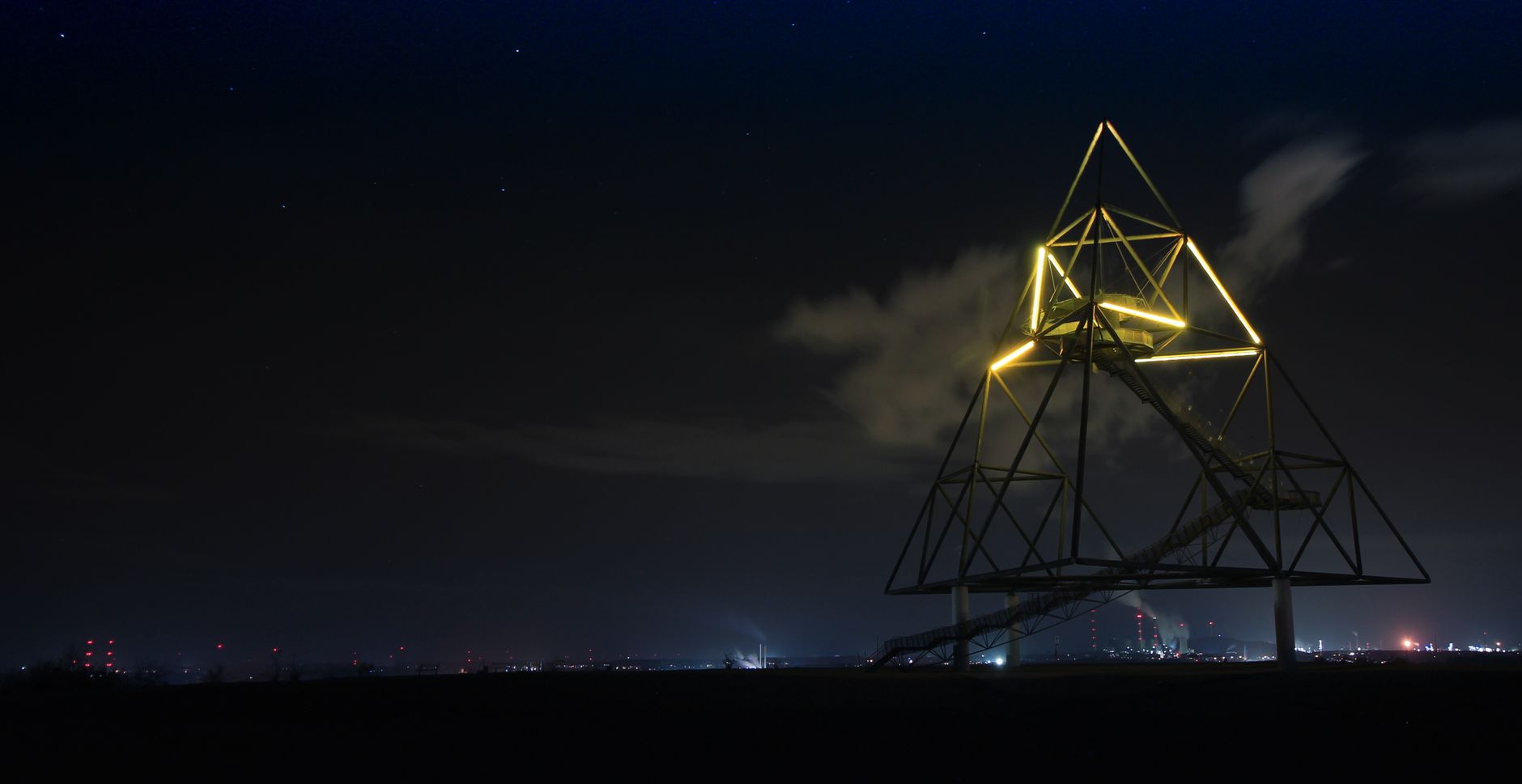
At 10:56 p.m. on a summer evening, an amateur astronomer in Rouyn-Noranda, Quebec, was watching the sky through broken clouds. Suddenly, a dark triangle appeared, its shape reminiscent of the “V” of a Christmas tree rather than a stealth bomber. Two lines of light appeared at one end of the triangle, forming a distinct triangular pattern.
The observer reported that the object passed overhead at high speed. He estimated its altitude at around 6,000 feet (about 2 kilometers) and its speed at more than Mach 1, though the sound was low and muffled, like the buzz of a multi-engine aircraft flying at high altitude. The sound lasted only a few seconds and did not resemble the aircraft noise commonly heard in the area.
Local Context
The area around Rouyn-Noranda is an industrial and transportation zone, with regular air traffic from passenger and military aircraft. The observer says the sound differed from the usual noise of high-flying aircraft, making it difficult to identify as familiar activity.
Why Is This Sighting Interesting?
The report describes three features that complicate a simple explanation:
1. Unusual shape – a dark triangle with linear lights, unlike the familiar designs of conventional aircraft.
2. Strange sound – a low rumble resembling an aircraft, but unlike the usual noise of flights at that altitude.
3. Very brief duration – the event lasted only 3–4 seconds, making it difficult to capture on video or in a photograph.
Although unverified, the report shows how weather conditions can complicate what people see and hear in the sky. It also raises familiar questions about black triangles: Are they experimental aircraft, atmospheric phenomena, or something else?
Conclusion
The observer leaves his impression open-ended: “If it isn’t ours, then it’s just noise, and it doesn’t look that strange, like a quiet disc. But a noisy triangle is more human, more earthly?” So far, without further evidence, this remains an eyewitness report that warrants continued monitoring and analysis.
---
This article is based on NUFORC report #75647 and has not been independently verified.