נאס״א משדרת מפגש פומבי של צוות המחקר העצמאי שלה על תופעות אוויריות בלתי מזוהות. הצוות, המורכב מ־16 מומחים מתחומים שונים, דן בדרכים מדעיות לחקור את התופעות ובמפת דרכים לאיסוף נתונים בעתיד. המפגש נערך לקראת פרסום הדוח הסופי בקיץ 2023.
הדוברים מדגישים כי מיעוט התצפיות האיכותיות אינו מאפשר להסיק מסקנות מדעיות על טיבם של האירועים. הם עוסקים בשיפור דיווחים, בתיאום בין סוכנויות, בשימוש בחיישנים ובשיתוף נתונים פתוחים. נציגים מציגים גם את תפקידה של רשות התעופה הפדרלית ואת האתגרים בזיהוי עצמים באוויר. הדיון מתמקד בצורך בנתונים מתועדים היטב ובשיטות ניתוח שקופות; הוא אינו קובע מה מקורן של התופעות.
עיקרי הדברים
צוות המחקר העצמאי של נאס״א מונה 16 מומחים מתחומים שונים.
הצוות נערך לפרסם דוח סופי בקיץ 2023.
המשתתפים אומרים כי אין די תצפיות איכותיות כדי להסיק מסקנות מדעיות על התופעות.
הדיון עוסק בחיישנים, באיסוף נתונים, בדיווח ובשיתוף פעולה בין סוכנויות וחוקרים.
2:16hello good morning and welcome my name is Dan Evans and as the designated federal official for NASA's unidentified anomalous phenomena independent study team I'd like to call this meeting to order and introduce the panelists in the back row we have Nadia Drake Paula Bon Tempe Federica Bianco David grinspoon Carlin toner Josh sametta and Jennifer Buss well in the front row we have Walter Scott Warren Randolph Reggie Brothers Shelley Wright Scott Kelly Anna Maria Brea Mike gold and David spurgle who serves as chair of the team I have a few opening remarks but to begin I'd like to start with the following first I'd like to pay tribute to the
3:03life of retired Air Force Master Sergeant Sam Sato who's been laid to rest at Arlington National Cemetery today following his active duty service Sam served as the intelligence collection manager for the National Intelligence manager for Aviation where he played a critical role in UAP analysis all of us at Nasa offer our condolences to Sam's family friends and colleagues second I'd like to take this opportunity to express my profound gratitude to our distinguished panel of experts for their unwavering commitment and dedication happening to note that several of them have been subjected to online abuse due to their decision to participate on this panel a NASA security team is actively
3:49addressing this issue we at Nasa are acutely aware of the considerable public interest in UAP however it's critical to understand any form of harassment towards our panelists only serves to detract from the scientific process which requires an environment of respect and openness now every member of our team is a recognized Authority in their respective field and they have our unequivocal support NASA stands in solidarity with them advocating for a respectful discourse that befits their expertise and the significance of their work thanks now in recent years the subjects of unidentified aerial phenomena nowadays termed unidentified anomalous phenomena or uaps has captured the attention of
the public the scientific community and the government alike and it's now our Collective responsibility to investigate these occurrences with a rigorous scientific scrutiny that they deserve NASA administrator sent us a Bill Nelson believes that understanding uaps is vital for several reasons which is why he directed this study first and foremost it provides an opportunity for us to expand our understanding of the world around us as an organization dedicated to exploring the unknown this work is in our DNA secondly this study aims to enhance situational awareness the presence of uaps raises concerns about the safety of
5:21our skies and it's this nation's obligation to determine whether these phenomena pose any potential risks to airspace safety by understanding the nature of uaps we can ensure that our skies remain a safe space for all in order to achieve these goals it is crucial that we employ a scientific lens for our UAP work it's precisely this rigorous evidence-based approach that allows one to separate fact from fiction this team is comprised of experts from various disciplines which allows them to approach this work from multiple perspective and we have greatly benefited from that Collective expertise
6:06now why do we value a scientific approach it's because science is built on evidence it thrives on scrutiny it demands reproducibility reproductive I can't sorry and above all objectivity when we approach uaps from a scientific perspective we do not come in with an agenda we come in needing a roadmap indeed the primary objective of this incredible team of experts is not to go back and look at grainy footage of uaps but rather to give us a roadmap to guide us for future analysis and this is the very scientific method that NASA holds true to its heart scientific research is intended to be publicly available and transparent a NASA Prides itself on making its data
6:52and images available to the public to learn and explore on their own by holding public meetings like this one we aim for open and honest dialogue with the public we recognize that public interest in uaps is high and that the demand for answers is strong conversations like this one are the first step to reducing the stigma surrounding UAP reporting moreover transparency is essential for fostering trust between NASA the public and the scientific community in order to do things right we must work together pulling our resources our knowledge and our expertise and by maintaining open channels of communication we can facilitate collaboration encourage the exchange of
7:37ideas and ensure that our work is as robust as possible not only that but our commitment to openness is in itself a reflection of NASA's commitment to Scientific integrity there's an organization dedicated to the pursuit of knowledge it is NASA's responsibility to be honest and forthright and to follow the science and by being transparent in our work we uphold our dedication to Scientific excellence the meeting today represents the first deliberative actions that the team has taken and so it's important to keep in mind that they still have several months of work ahead of them their final report will be released this summer and we will publish it on our website NASA believes that the study of
8:23unidentified anomalous phenomena represents an exciting step forward in our quest to uncover the mysteries of the world around us by embracing a scientific lens we ensure that our work is rigorous and reliable and by valuing transparency and openness we can foster trust and collaboration with the public simply put this is why we do what we do now before I introduce Nikki there are a few administrative matters to attend to firstly the unidentified anomalous phenomena independent study team has been established in accordance with the federal advisory committee act known as fako its parent committee is the earth science advisory committees as such this group does not report to the government it reports to the earth science advisory
9:09committee who'll debate the recommendations and formally transmit this team's report to the government next our deliberative committee meetings such as this one are open to the public and also after this panel was convened the National Defense authorization act known as the ndaa changed the a in UAP to be anomalous accordingly this Pal's remit was expanded to Encompass not just aerial UAP however the majority of UAP sightings to date have been in the aerial domain so it's fair to say that this panel's focus is on the aerial aspect of anomalous now in compliance with the fact of federal statute four more minutes have been taken throughout the meeting today and these meetings and these minutes are for the public record and hence all
9:54presentations and discussions and comments by the committee members should be considered to be on the record each member of this UAP study team has been appointed because of their specific subject matter expertise as individuals and hence each member is subject to Federal ethics laws this category of appointment is called special government employees or sges for our non-government members and our two federal employees serve as regular government employees known as rges to the panel all members on this committee should remember to recuse themselves if a topic comes up in which you have a potential conflict of interest between your financial interests including those of your employer and matters that we're discussing and
10:39then finally panel if you have any ethics questions please see me separately and if needed I'll put you in contact with a NASA ethics attorney thanks for bearing with me I'd now like to turn to the amazing Dr Nikki Fox associate administrator for NASA's science Mission directorate over to you Nikki thank you Jen and thank you to all the members of NASA's UAP independent study team your selfless dedication to the pursuit of knowledge is just so commendable and I want to thank you the audience for tuning in today to watch our first deliberative meeting of NASA's independent study team on evaluating and categorizing unidentified anomalous
11:26phenomena before I begin though I really do want to double down on Dan's words that it is really disheartening to hear of the harassment that our panelists have faced online all because they're studying this topic NASA stands behind our panelists and we do not tolerate abuse harassment only leads to further stigmatization of the UAP field significantly hindering the scientific progress and discouraging others to study this important subject matter your harassment also obstructs the Public's right to knowledge our panelists are leading experts in the scientific Aeronautics and data analytics communities we are very lucky to have them on board to share their invaluable insights to inform NASA on
12:12what possible data could be collected in the future and how it can be collected to help us better understand the nature of UAP the UAP independent study was commissioned to create a road map on how to use the tools of science to evaluate and categorize the nature of uaps going forward this roadmap of course will help the federal government obtain usable data to explain the nature of future uaps transparency openness and scientific Integrity are Pinnacle to NASA's Mission they're at the Forefront of this public meeting and have been throughout the team's seven months on this study as Dan noted this is a working meeting and so the public will have the
12:58incredible opportunity to witness the process of Science in action at Nasa we lead the world in Exploration and are committed to rigorous scientific inquiry the nature of science is to better understand the unknown and to do that our scientists need data right now there is very limited number of high quality observations and data curation of UAP the existing data available from eyewitness reports are often modeled and cannot provide conclusive evidence that supports UAP recognition and Analysis additionally an object's background can complicate the data further and render it unusable due to Conventional objects that can mimic or overshadow the
13:43phenomena completely such as commercial aircraft military equipment the weather and ionospheric phenomena like auroras this lack of high quality data make it impossible to draw scientific conclusions on the nature of UAP now this team has used unclassified data from civilian government entities commercial data and data from other sources to inform their recommendations and as Dan noted they will be published in a public report that comes out this summer I want to emphasize that there is really great benefit to studying unclassified data rather than classify data for this study first unidentified anomalous phenomena sightings themselves are not classified it's often the sensor platform that is
14:30classified and you can kind of think of it um if a fighter jet took a picture of the Statue of Liberty then that image would be classified not because of the subject in the picture but because of the sensors on the plane second unclassified data make it possible for our team to communicate openly to advance our understanding of UAP not only with each other but across the scientific community and to the public this ensures a clear and transparent pipeline of information that can be built upon through the general through generations to expand our understanding this study relies on open data everything we use at Nasa is open and anyone can look at these records so I invite you to visit our open data portal
15:16at data.nasa.gov to comb through our tens of thousands of data sets that are free and fully accessible to the public additionally please check out data.gov open slash data for a great overview of where you can find the archives for our science and Mission data sites I am very very much looking forward to hearing the deliberations put forth today from our distinguished panel of experts thank you so much for being here um before you go look I just want to open up to questions let me start with a question on this on the NASA data um I think one of the important things uh that we'll be looking at with other data sets and events is the data is not
16:03very well calibrated can you say just a little bit about how NASA goes through calibrating some of its earth science data oh yes we very very rigorous I mean at all of our data sets not just earth science go through extremely rigorous calibration um we don't release anything until it's really perfect I mean we have quick look data that is marked as quick look data um so you know you can use it to get preliminary um findings but wait for the the really nicely cleaned up data so a lot of rigorous protocol in putting out our data to make sure it is perfect do we have any other questions from the panel all right thank you so much
16:49okay hi I'm David spurgle I'm the chair of the panel and when I look at our chart we have a lengthy charge but the high level summary of it is how can NASA contribute to understanding the nature of uaps and our role here is not to resolve the nature of these events but rather to give NASA guidance to provide a road map of how it can contribute in this area after my opening remarks we'll hear from Sean
17:34Kirkpatrick from the aaro and it's the aaro that's charged with leading the whole of government UAP effort and they've already issued some preliminary reports on some of the events NASA's role is to use its unique capabilities and its role as a civilian agency interacting with the scientific community in an open and transparent manner and you know as Dr Fox emphasized the defense and intelligence agency data on UAP and I'll often classified primarily because of how the data is collected not because what's in the data the camera on an F-35 took a picture of a bird it's classified
18:20if a spy satellite takes an image of a balloon and we've had in the news some balloons recently that date is classified and that's because of a desire to not reveal our technical capabilities to other nations NASA on the other hand operates in a mode where it's collecting data in the open and the NASA data is available on websites and as well characterized and because of NASA being the civilian agency studying Air and Space it has a special role to play and I see our charge primarily as helping identify for NASA ways it could play that role and contribute to understanding
19:06we've gone through a preliminary data collection stage and to summarize some of the things that we've learned the current data collection efforts regarding uaps are unsystematic and fragmented across various agencies often using instruments uncalibrated for scientific data collection and if I think about the data that people have out there it's in many ways what we'd like to think of as citizen science but again it is uncalibrated Data um poorly characterized not well curated and we face looking through this data a significant background a background of many of these events are commercial
19:52aircraft civilian America militaries that drones weather and research balloons military equipment ionospheric phenomenon we need to characterize how what the date when the date is taken when it sees events like this first the current existing data and eyewitness reports alone are insufficient to provide conclusive evidence about the nature and origin of of every UAP event they're often uninformative due to lack of quality control and data curation to understand UAP better targeted data collection thorough data curation and robust analyzes are needed
20:37such an approach will help to discern unexplained UAP sightings but even then there's no guarantee that all sightings will be explained another challenge in this area is what we call stigma there's a real stigma among people reporting events and despite NASA's extensive efforts to reduce the stigma the origin of the uaps remain unclear and we feel many events remain unreported commercial pilots for example are very reluctant to report anomalies and one of our goals in having NASA play a role is to remove stigma and
21:22get high quality data in fact if I were to summarize in one line what I feel we've learned it's we need high quality data and this is not some as a research scientist whose work has been primarily focused in cosmology I would say the lesson of my career has been you want to address important questions you need high quality data with well-calibrated instruments so the let me now uh introduce the agenda we're going to hear from a number of experts who will be presenting up to lunch we'll then break at 12 for lunch from 12
22:07to 12 30. at 12 30 we'll resume and we'll have presentations by members of the panel on some preliminary ideas for discussion and that will be a period of time for some open discussion by the panel we will then have a q a session based on questions that have been sent in in advance to the website and we've curated those questions and grouped them together and we'll be going through a lot of those questions and then we'll summarize and then over the subsequent uh couple months we'll work on putting together the report and as Dan said we're aiming to make a public report available we hope by the end of July
22:54so now let me turn this over to Sean Uncle Patrick we'll do a couple Q A's q a for me okay from the panel any any questions on the panel thoughts yes we'll get the mic yeah um so one of the things I think Dr Fox um said was looking at the release of data very important for our study when it's high quality and you have also commented that data are not always perfect when we're doing certain studies I wonder if you could um shed some light on the you know the
23:40difference between the application of certain data to certain scientific challenges so you know when you look at your camera your camera is often designed to take an image in the daytime and might not be optimized for nighttime Imaging or if you take something that astronomers are very familiar with is we design our telescopes to work at night and if the Sun is not even if you're you know you would never take the Hubble telescope and point it at the Sun this would destroy its detectors not only that if the telescope is pointing there
24:26and the Sun is over there even though you're not looking at the sun Reflections off of the Optics will produce what we call ghosting and that kind of ghosting gets produces some very strange images and this you know one of the many things we need to worry about when we see unusual things taken from a camera is even if you're pointing the camera there was the sun over there those kinds of anomalies degrade the quality of the data and that's why it's very important to work with well-characterized instruments and to be you know using them in ways in which you you understand what's going on
25:12so I think if you look at you know data taken from the James Webb Telescope or from the Hubble or any of these things and these are you know telescopes looking out in space you'll see some really you know at first funny phenomenon when a telescope points at a star that's bright it saturates the detector and puts bleeding down the detector and you'll see phenomenon like if there's a bright star off to the side of the that not even one you're looking at you get this effects where light bounces off of dust in your telescope and produces a sort of
25:58diffuse image that has some really strange properties so you know when you see something unusual the first thing you have to do is understand how that data was taken and I think this is one of the challenges one faces when you have data taken by uncalibrated instruments years ago it's very hard to know what's taken it's very hard to draw conclusions I think that's one of the challenges with archival data and I think having dedicated well-calibrated instruments I think will be important here is in any other area to understand what's going on so David anomalies are so often the
26:45engine of Discovery maybe you can say a quick word about high risk High reward research in your field of cosmology and how you see that impacting the UAP study as well so um an area that comes to mind is on Fast radio bursts and uh Shaw prize was just announced yesterday I'm rewarded to the discovery of fast radio bursts and these are these bursting signals that go off all over in space and it's an interesting story because some of the bursts were real and are fascinating and some of the bursts
27:30there was a series of births observed by this observatory in Australia and they had really strange structure and people couldn't figure out what was going on and then they start to notice a lot of them bunched together around lunchtime and what had happened was the uh people at the observatory would heat up their lunch in the microwave and something they would do is they would open the door of the microwave oven before the microwave stopped this is bad for your microwave oven it wears it out but not only that It produced a burst of radio signal that
28:16was picked up by these sensitive detectors so this I think is an interesting lesson some events end up being something unusual and conventional but some events with these frbs turn out to be these powerful explosions which are taking place at cosmological distances their nature is still not fully understood I think they're one of the really most fascinating objects we have these bursts going out all over space they're interesting probes because they're kind of lighting up space between here and there and they're a subject of a reactive research
29:01and in fact you know one looks at the history of these frbs at first they were discovered not believed and confirmly confirmed and they were discovered by instruments that were very sensitive but not optimized for this and now what we're doing is we're optimizing instruments and optimizing software to look for these events it's often these surprises that turn out to be most interesting and you know there are phenomenon like Sprites which you can think of as upward going lightning which were seen by commercial pilots and some had not believed right because they were very strange and and it was really only when we were able to take very high
29:47speed Imaging data data taken off from places like space station that were able to see that and learn about these some fascinating ionospheric phenomena so it's uh surprises are really interesting I mean I think this is one of the uh fascinating things about the UAP phenomenon if it's something that's anomalous that makes it interesting and worthy of study other questions great so now let me turn over to Sean
30:33thank you David Dan pleasure to be back good morning everyone I want to start by thanking NASA for convening today's UAP independent study public meeting and inviting me to continue to participate NASA has been an invaluable partner to our team at Arrow as we work to better understand and respond to unidentified anomalous phenomena we applaud NASA for commissioning its independent study team and for exploring what data and tools could be leveraged to shed greater light on UAP though NASA and arrow are taking on very different aspects of the UAP problem set our efforts are very much complementary we both are committed to the scientific method to a data-driven approach
31:19and the highest standards of scientific research integrity while NASA is evaluating unclassified data sources for its study arrows data set includes classified material with a focus on National Security areas however all of this data collectively is critical to understanding the nature and origin of UAP NASA brings unique capabilities world-class scientists and a wealth of academic and research linkages NASA also has access to Earth sensing satellites radiological sensors tools for gravitational wave geomagnetic wave detection and means for analyzing open source cloud and crowdsource data that
32:04may assist both Aero and NASA in their UAP efforts we are very grateful for the partnership and welcome the opportunity to join with NASA to share our Collective findings with the public as the U.S government moves towards greater transparency on this issue last month I testified before members of the Senate armed services committee on emerging threats and capabilities and shared some of the progress made since Arrow's establishment in July 2022 I discussed arrows scientific and analytic approaches its efforts to improve UAP data collection standardize our reporting processes leverage our Partnerships and meticulously review the US government's UAP related historical records
32:51as I told the subcommittee then the resolution of all UAP cases cannot be accomplished by DOD and the intelligence Community alone era's ultimate success will require Partnerships with the interagency industry Academia the scientific community and the public which all bring their own resources ideas and expertise to the UAP challenge We Believe robust collaboration and peer review across a broad range of Partners will promote greater objectivity and transparency in the study of UAP of course NASA's UAP independent study team was convened very much in that spirit I also emphasized to Congress that the only a very small percentage of UAP
33:38reports displays signatures that could reasonably be described as anomalous the majority of unidentified objects reported to Arrow and in our Holdings demonstrate mundane characteristics of readily explainable sources while a large number of cases in arrows Holdings remain technically unresolved this is primarily due to a lack of data associated with those cases very much along the lines of what David was just speaking about without sufficient data we are unable to reach defendable conclusions that meet the high scientific standards we set for resolution meanwhile for the few objects that do demonstrate potentially anomalous characteristics arrows approaching these
34:24cases with the highest level of objectivity and analytic rigor this includes physical testing and employing modeling and simulation to validate our analyzes and the underlying theories and then peer-reviewing those results before reaching any conclusions Arrow has shared these cases with the appropriately cleared NASA team members in order to discuss and help recommend potential scientific areas of study that NASA may want to take lead on I'll underscore here as I did before Congress at Arrow's work will take time if we are committed to doing it right arrow is committed to the highest standards of scientific research Integrity as we know our partners at Nasa are as well thanks again to NASA for hosting this
35:10public forum for UAP discussion and information exchange and I'd like to turn to a brief presentation that includes some recently Declassified footage and trends for discussion next slide please so if some of you probably saw a version of this at the open hearing last month this is an overall review of all the analytic trends of all the cases that we have to date while the numbers may have changed a little bit um the overall Trends remain the same most of what we are seeing reported by aircraft are at the altitudes where we fly aircraft that should not be a surprise
35:55you will note however that I have no space reports and I have no Maritime reports that is notable even though we are looking across all of those domains on the upper right we have UAP morphologies the vast majority of what has been reported and what we have data on a little less than half now our orbs round spheres and in the bottom right you will see in the really the the Heats map of the areas where we get most of our reporting this is very much a collection biased map this is where our sensors are our military and our IC and some of the FAA data
36:40in the middle is what we call our typical UAP characteristics for the vast majority of the cases that we see one way of looking at that is a is a we'll call it a Target package this is the thing we are out hunting for in most cases next slide please this is an example of one that I showed at the hearing recently this is a spherical orb metallic in the Middle East 2022 by an MQ-9 and we'll come back to the sensor question that David raised here in a moment this is a typical example of the thing that we see most of we see these all
37:26over the world and we see these in and making very interesting parent maneuvers this one in particular however I would point out demonstrated no enigmatic technical capabilities and was no threat to Airborne safety while we are still looking at it I don't have any more data other than that and so being able to come to some conclusion is going to take time until we can get better resolved data on similar objects that we can then do a larger analysis on next slide please I'm going to let this play through this is a newly released video you'll notice
38:12there are two dots moving back and forth there is a plane at the bottom that's moving across the screen and now there are three dots moving back and forth the moving back and forth is from the sensor and the platform that's collecting it this is a a P3 on a training mission in the Western United States they picked these up and they tried to intercept and was unable to intercept them apart from that motion and you'll see a little bit of defocusing from the sensor itself there is no other Oddity about this except for the fact that they couldn't catch them the reason they couldn't catch them is because after further analysis it was shown that
38:57those objects were actually much farther away from the P3 than they thought and in fact when we went even deeper looked at Air Traffic Control Data we were able to match those to aircraft on a major flight Corridor heading into a major airport for landing this is the kind of thing that can spoof and or provide misperception of both very highly trained pilots as well as sensors right and this was reported as an odd grouping of three UAP all right that is not to say that the pilots didn't know what they were looking at or they they knew what they were looking at
39:42but they weren't really sure but it also is meant to say that when they're not sure they're reporting it now and that's what they're supposed to be doing and then we have to go look at it next slide please that brings us to really what is Arrow doing in the science and Technical Realms so this is one of those areas that I'm going to expound a little bit more on than we did in the last hearings Arrow has a robust scientific plan that we are required to then provide to Congress here pretty soon one of the first things that we're doing is looking across all the existing sensor data against that typical UAP Target that I gave you up at the very
40:29first slide that goes beyond DOD and IC sensors that's commercial that's civil that's in and with partnership with NASA with NASA sensors and NOAA sensors understanding if any of these Earth sensing satellites any of these Airborne platforms any of these ground Radars whether it's FAA or other can actually see these things given what we've got so far is going to be an important first step to understanding which sensors are going to be relevant from there we will we are augmenting with dedicated sensors that we've purposed built designed to detect track and characterize those particular objects we will be then putting those out in very select areas for
41:15surveillance purposes Partnerships with Academia exploring the signatures to match to our data so understanding if a thing is moving and if it is doing certain anomalous activities what are the signatures we would expect to see how do we pull on that and then from there how do I tune my collection architecture to go after it statistical analytic techniques we're working with a couple of universities on how do I do broader base statistical analysis on unclassified and classified data so that I can apply those analytics to our Holdings and then Ai and ml analytic techniques for searching out through the data what are this what are the objects what are
42:00the targets that we're going after we have Partnerships with both DOD and doe labs to explore our current state-of-the-art fundamental physics of UAP observations both current and historical in other words if I have objects those few that are doing some things that are anomalous what is our current understanding of maneuverability speed signature management propulsion what are those underlying signatures that we would expect to see and how do I then pull on that our interagency and Allied partnership ships for calibration of our capabilities this is exactly what David was pointing at the vast majority of
42:46what we have reported to us are DOD sensors DOD sensors are not scientific sensors they are not intelligence Community sensors Believe It or Not intelligence Community sensors are very close to Scientific sensors they are calibrated they are high Precision they are everything you'd ever want to know about a thing DOD sensors have one purpose they are to identify an object that is known and put a weapon on it that is what they're for right predominantly so understanding how do you calibrate those against these known objects how do I fly in F-35 against a weather balloon at different speeds and different altitudes and different Sun conditions and different lighting conditions and and heating conditions
43:31those are all important measurements that need to be done and we are on the in process of doing that right now that table on the right is a very simplified version of our entire test Matrix which you would not be able to fit on three of these slides against all of our sensors across all of those phenomenologies that will be useful in order to then train our operators pilots and sensors against the known objects and then finally our pattern of Life analysis this is essentially baselining what is normal I have all these Hot Spot areas but we only have hotspot areas because that's when the reports come in from The Operators that are operating at that time they don't operate all the time
44:17so to have a 24 7 collection monitoring campaign in some of these areas for three months at a time is going to be necessary in order to measure out what is normal then I'll know what is not normal all right when we have additional things that come through those spaces and that includes space and maritime next slide please which brings me to some of my recommendations for the panel and their consideration and deliberation some of these we're going to be exploring with our our new NASA embed I'm happy to be welcoming on for your pretty soon who's going to help us in our scientific plan
45:03um crowdsourcing unclassified open source data this is where you know some of the public can be helpful you know imagery from a iPhone is generally not helpful unless you are right up on whatever it is you're looking at however some of the ancillary data that your iPhone provides from location to speed to you know other phenomenologies and more than one of those can be very helpful large-scale ground-based scientific instrumentation evaluating how can I use some of these other instruments for detection the frb example was was perfect right you have a
45:50bunch of large scales instruments that were not designed for that yet they picked them up because there was a microwave well we have a a surrogate Target package of what we think these things are at least from a what we've got reported to us that was in the front slide understanding how can I evaluate that against all of these other instruments and do any of them have a chance of picking anything up that would be helpful in tipping and queuing us to get other sensors on target I think leading that evaluation of the scientific ground-based sensors would be useful also the same thing for the Earth
46:35Sciences satellites as we mentioned before intentional Vice coincidental collection so looking at how can I provide a tip and cue to both the ground and space-based scientific and academic sensor Community to put additional sensors on a object when it is reported I'm currently doing that with arrow The Joint staff the commands for when they get tip in queue right so a pilot says something they see something they report it in and we're going to turn on a whole bunch of new collection to go after it I should be
47:20able to hand that same tip and cue to the scientific and academic community so looking at how that works would be helpful peer reviewing Advanced capabilities the parameterization and the publication of that that have not yet been engineered we understand a lot of fundamental physics it is the scientific community's responsibility to explore and document those fundamentals in peer-reviewed scientific journals to match to data so that we can weed out all kinds of different hypotheses right that's how science works we need to make sure that we are doing that I think leading that conversation would be very helpful from NASA's perspective archived scientific data so we have a whole bunch of calibrated large-scale
48:06scientific data from all these different instrumentations around the world taking a look at how can you apply some maybe some AIML tools to search through that data for anomalous signatures that may correlate to things that we've got reporting on that would be an interesting study distributions of sightings I think this is a low hanging fruit one right so if we take a look at all of the distributions of sightings that are outside of my National Security areas that I've got classified reporting for and they generate the similar distribution map as we've got and we put those two pieces together now I have a holistic picture and then of course our foreign Partnerships building a robust
48:51scientific community of Interest review data capabilities conduct analysis expanding upon you know our military and intelligence collaborations across the world into the scientific and academic world and with that those were my thoughts we've talked about some of these in the past it would be interesting to to hear if there's any further questions or deliberations on any of those points and I'm happy to take any questions that you all have great uh thank you Dr Kirkpatrick and I also want to you take this opportunity to thank you in the Aro for your openness in providing this committee with insight and information about what
49:37you've learned so far how we could work together think this is very much an area where it's going to be essential that NASA be your partner and be a good partner for aaro and I think you're uh really want to thank you for your role with this Committee in helping to start to build that partnership it's been my pleasure and let's uh Reggie um question uh we talked a lot about data already let's talk about sensors for a second so you mentioned that you went with Labs Academia do you see a need to go beyond what you mentioned earlier that is the type of census we have right now which are based on National Security funds and certain phenomenologies and frequency range of these kinds of things
50:22do you see a reason of going beyond that yep absolutely what what are some of the challenges there materials or whatever so can we go back to the front slide just the first slide where the target characterization is so we've we've purpose built a couple of of sensors to do search across that no down one there you go that's great to go down some of those characteristics to see if we can find them correlated to Pilot reporting some of those are initially this is going to be I'm going to say this is a bootstrap method right we're doing a broad spectrum search across very few
התמלול קוצר כאן. אפשר להמשיך לצפות מהרגע הזה בנגן.

 2:26:20תופעות אוויריות בלתי מזוהות: חושפים את האמתGOP Oversight465 אלף צפיות · לפני שנתיים
 2:16:25שימוע הקונגרס בארה״ב: תופעות אוויריות בלתי מוסברותPBS NewsHour349 אלף צפיות · לפני 3 שנים
 6:59סרטוני העב״ם של משמר הגבול: עשרה תיעודיםNBC News1.5 מ׳ צפיות · לפני 3 שנים
 14:05שימוע הקונגרס על עב״מים: רגעי מפתח מהדיוןCongress Clips41 אלף צפיות · לפני שנה
 59:07רוס קולטהרט וקווין נאט: מדע ועב״מיםNewsNation and Reality Check with Ross Coulthart723 אלף צפיות · לפני חודשיים
 28:01לו אליזונדו על תוכנית העב״מים של הפנטגוןGQ3.6 מ׳ צפיות · לפני 5 שנים
 2:52:10דיון בקונגרס על עב״מים: שקיפות והגנה על חושפי שחיתויותGOP Oversight117 אלף צפיות · לפני שנה
 1:02:46שיחת התקשורת של נאס״א על עב״מים: 31 במאי 2023NASA Video30 אלף צפיות · לפני 3 שנים
 1:03:00התמכרות כמחלה, חלק 2: טיפול תרופתי בגמילהGOP Oversight111 צפיות · לפני 16 שנים
 1:10סרט עב״ם ליד טרמונטון, יוטה: 2 ביולי 1952משרד המלחמה האמריקאילפני חודשיים
 1:05:13אדוארד רופלט בבוסטון, 1952: דיווחי עב״םמשרד המלחמה האמריקאילפני חודשיים
 1:20דיווח עב״ם lle-uap-pr001 של aaro: קולורדו, 2023משרד המלחמה האמריקאילפני חודשיים
 15:00דיווח עב״ם בקולורדו, אוקטובר 2023: אורות לא מזוהיםמשרד המלחמה האמריקאילפני חודשיים
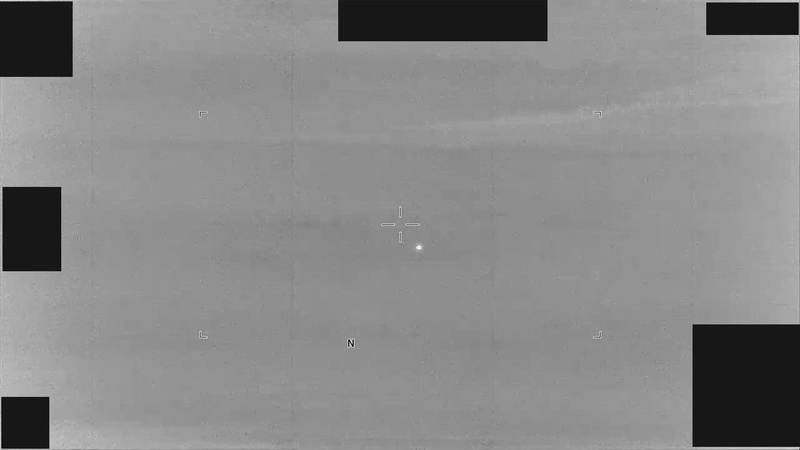 4:58תיעוד עב״ם של הצבא האמריקאי: המזרח התיכון, 2025משרד המלחמה האמריקאילפני חודשיים
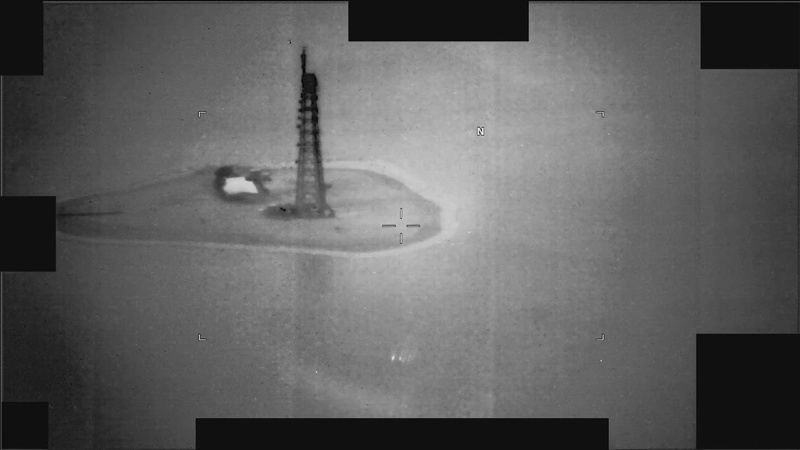 1:00סרטון עב״ם של משרד המלחמה: המזרח התיכון, 2025 · 2026משרד המלחמה האמריקאילפני חודשיים
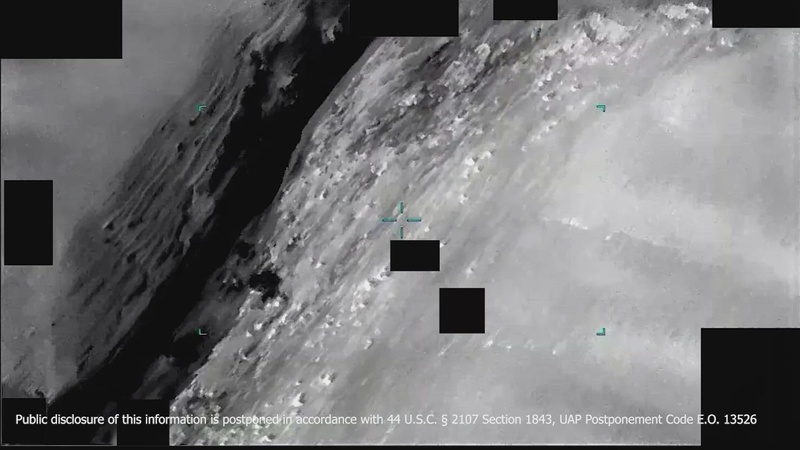 1:48דוח עב״ם במזרח התיכון, 2022: מעקב בחיישן צבאימשרד המלחמה האמריקאילפני חודשיים