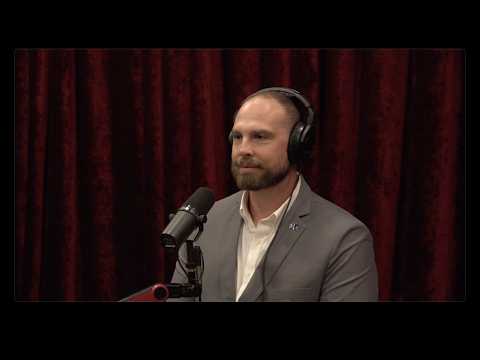
An in-depth interview with Professor Garry Nolan on the question of extraterrestrial life, UFOs, and artificial intelligence. Danica Patrick interviews the esteemed scientist.
0 comments
No comments yet. What did you see? Drop a timestamp (like 12:34) and everyone can jump straight to it.
Danica Patrick interviews Garry Nolan, a Stanford University pathology professor, on the Pretty Intense Podcast. Nolan calls “Are we alone?” one of humanity’s most important questions and discusses possibilities including microbial life spreading between planets. The conversation ranges across evolution, the origins of the universe, consciousness, life after death and the idea that reality could be a simulation.
Nolan and Patrick also discuss whether artificial intelligence will be a tool or a replacement for people, genetics, solar flares and possible reasons extraterrestrials might visit Earth. Nolan raises the possibility that information about UFOs is being withheld. He recounts seeing something as a child that he believes was not human, while acknowledging that this is anecdotal. The interview explores questions and hypotheses; it does not establish evidence of extraterrestrial life.
Key points
Nolan calls the question of whether we are alone one of humanity’s most important questions.
Nolan discusses the possibility that microbial life could spread between planets.
The conversation explores consciousness, life after death and the simulation hypothesis.
Nolan and Patrick discuss whether AI could replace people.
Nolan raises the possibility of withheld UFO information but offers no confirmed proof.
0:00what do you think is the most important question that humans can ask are we alone that to me is the most important question if we're not alone then somebody else might have answers to other let's say less or more immediate existential uh questions right that you know what what can we do about this what can we do about that or you know are there other dimensions you could list a thousand questions and you know if they would be willing to give us the answers I mean I've said this before I think we're just a bunch of angry angry Apes I don't think we're ready for uh some of the answers yet and you know it's like you don't tell your children certain things until they're mature enough
0:45and we've pretty much proven that we're still not mature enough yet Gary Nolan on the show Gary is a professor at Stanford of pathology he studies biology and microbiology um so he has a real background in medicine and and anything that you think of from a doctor's standpoint but he has really gone out on a limb and Incorporated um extraterrestrial craft and he's been doing research on the materials themselves and really just like feeding that inner monologue of what are we here for what are we and trying to get those
1:31answers so we did talk about that of course and we also talked about the human body and what it is and what is DNA and how does the body work and what is its interaction with this world how did it come about where is it going and at what levels does it exist and so we talked also about the theories of the universe of holographic Universe simulation Theory the Multiverse so this is just this is the kind of conversation like that I just want to have all day every day where we are not sure about anything and he makes that very clear that these are all ifs these are all just ideas and Concepts and asking questions but it's but he also had a great thought that maybe the question is
2:17anchoring the answer in the universe and so he explains what he means by that so enjoy today's deeply fascinating episode be sure to hit the Subscribe button I'd love to hear what you have to say in the comments let's get out there let's think outside the box I can't wait to read them we've got like you know a doctor biology brain but then you also have this other new interesting side of more science and data and aliens and UFOs which is of course fascinating so how how did that end up happening I such a it feels like there's a lot of similarities but it is such a transition to go from biology microbiology and
3:03being in the lab like that to you know testing UFO materials well I mean I if you are a biologist and I have both an undergrad in genetics uh at Cornell and then I got my PhD at Stanford in the department of genetics so you know you're naturally driven to think about Evolution and where did we come from right and so when you start thinking about the beginnings of Life on this planet if you do any amount of reading you come across the theory of panspermia right and so panspermia basically meaning the distribution of Life Across the Universe by an initial seating that
3:51happened somewhere and then it spread as you know life does like mold even though it spreads um and so uh there's lots of ideas about this people don't have a sense of what life can do um and if you look at uh for instance where did all of the material on this planet come from the Rocks the metals Etc it came from an exploding star that became a gas which then eventually coalesced into a you know into a sun and planets so that much time can go by between one star's existence and its birth of
4:36another star eventually um but during that event you could imagine the explosion sending rocks and pieces of that original solar system elsewhere and if there were spores or things on that they could go along for the ride and so that's the concept of panspermia that uh at the very least you can imagine microbial life spreading and then seeding life elsewhere um now you know there's a different kind of panspermia notion that you know if a uh intelligent race was uh ever you know happened you know several billions of years ago it has more than enough
5:21time to spread across nearly the entire universe even just at the speed of light right um and so you know it's just it it's not many steps to thinking about that and especially for someone like me I was interested in science fiction as a kid and so all of these Concepts were already there for me at least I mean as fiction but then you know when you as a scientist come across instances of a question you might ask rather than let's say being a member of the lay public where it remains a question you can be sure of what you think the answer is but you know as a scientist I have the means uh in my
6:06laboratory to actually study it to answer the question that's always how I've been I've always been about okay well I'm interested in this part of biology how do I do it okay this is what I would need to do to prove or disprove this and so I just bring the same ethic the same approach to the you know the alien problem or the non-human intelligence problem uh in that you know it's there's a lot of uh let's say we would call in The Sciences preliminary data right there's a lot of preliminary data that suggests many different hypotheses so some of those hypotheses are testable uh so let's do it so that's how I came to it okay so amazing and I have a lot of
6:53those same questions so you talked about you know microbial life kind of spreading right it could be like a like a mold but it just little spores and little bits could be spread out what is that when you say that microbial what is what is it actually so it would be um those spores of bacteria for instance right so there's plenty of spores on Earth of bacteria that can survive space and hard radiation right bacillus there's a number of bacillus strains that have this ability so you know it's if it's you know Frozen and in vacuum and it could last an awful long time and we already have instances
7:39of bacteria and other living things you know surviving hundreds of thousands of years and then being Resurrected right so it's you know it's it's not a big difference between a hundred thousand years and say 10 million or even a billion years the time that it might take to go from one place to another um you know I mean imagine uh a large chunk of rock like what Avi Loeb pointed out the Uma event right uh going from one solar system to another you know it just takes a little bit of that over time uh to spread out into many different places uh around the Galaxy or even around you know the universe let's say yeah but there's some interesting evidence for it uh and and uh one of
8:26those bits of evidence is uh what's called the Moore's Law of uh genetic complexity you've all heard of Moore's Law for semiconductors it's a you know it's a made-up law but the idea is that for whatever reason um every I don't know what it is 10 years or five years whatever the number is uh the complexity of computer chips doubles right and the speed doubles um and so we're always you'll see if you read in the in computer magazines there's this have we reached the end of Laura's law you know and then somebody discovers quantum computers right uh and so then Etc so you know it's it's more just an observation of what happens so somebody
9:13thought to look at the complexity of DNA and the regulatory uh regions of DNA that are in many ways like a computer right these are the areas Upstream of the regions of the genes that encode the proteins the things that you know we are and the enzymes that make us Etc there are these regulatory regions which if you're a computer scientist you would look at it you would think of as the is the actual code um of what's of what is of how a person is made um okay and now the complexity of that in let's say simple bacteria it's it's it's extremely simple right they're they don't have the kind of regulatory
9:58phenomenon that that we have okay um but if you think of bacteria as a ancient uh example of what our great great great great grandparents might look like right and then you look and you go up the chain of um Evolution from bacteria to eukaryotes to multicellular things Etc up the chain and you call those you call that evolution right that's all we really have to see right now um and then you look at and then you basically say well bacteria evolved I don't know uh two billion years ago whatever the number is these are the ones this so you create that timeline and then you give some measure of complexity it turns out that the complexity
10:45uh of when things actually started was about 10 billion years ago billion or million billion billion billion okay but how long has Earth been around four billion years right okay so there's a six billion year Gap um so basically there's two answers to that the first answer is it actually evolved that long ago right right six billion years ago or something about Evolution took a fast leap up and then became the straight line yeah I'm really curious about that up part so so it's either if if life on Earth
11:30happened and instantiated only four billion years ago fast leap up and then became this linear curve um and that's perfectly possible um or you could say it started somewhere else and just traveled here right okay and so um that's the first one I find that interesting uh the second one is a paper and and that actually is a paper and then a peer-reviewed and there's another peer-reviewed paper called the wow signal in the genetic code by a couple of mathematicians from I think Uzbekistan um and I don't pretend to understand the math and I'm sure there's some statisticians that would argue with it
12:15but their concept was interesting the um the actual what we call the genetic code the the uh transfer rnas that basically say you know Proline goes here or leucine goes there that allow for the proteins to be made they are so well organized in terms of the structure of the of who codes for what um that it looks like it was designed right and then they go through some mathematical models of why it had to have been designed and you know there's some caveats that I'll mention at the end here uh that uh the chance of it not having
13:03been designed is like one in several hundred trillion right right and what they're saying is the wow message so you've heard of this thing called the wow message that when somebody first thought that they heard a radio signal from another civilization they said wow they wrote wow on it and that became the wow signal so they said look the signal is actually in our DNA the fact that that DNA was planned and organized is right there in front of us that's the wow signal huh now you know there's um there's a guy who wrote uh a book called The Selfish Gene uh and um his name is Richard Dawkins a famous
13:48Professor genetics Professor from England who basically says look that's rubbish not this wow signal itself but you know the whole notion of divine intervention or planned genetics the you know the creationists it's rubbish because there are other mathematical principles that you can throw at this that say that you don't need that you know and and I think this guy is fantastic right so his is a fantastic counter argument to the wow signal but it isn't the disproof right same saying that there is an alternate explanation isn't proof of the
14:35alternate explanation right it's like that's the it's so it's still in limbo right as to what it whether this wow signal is true or not even if it's not true the fact that the DNA code is so organized in and of itself is beautiful I mean as a scientist I I appreciate the the beauty of that right they it's so well organized and I mean but we can look at any ecosystem and say it's so well organized somebody must have invented it no no you don't have to invent it Richard Dawkins shows how things can evolve so what about I mean this makes me start thinking about fractals and energy and patterns and
15:20recurring patterns in nature and I mean do you what about that what about just patterns of energy showing up on a micro and a macro level what about that well I mean yeah so the universe is organized with a pattern right if you look right down at the laws that we think are running the universe all of these particles with features and capabilities uh how they will interact um that allow for us basically it says that embedded in the structure of the universe is the capability to produce us now the question the open question is did somebody create
16:05the universe so that something like us could occur right or is it just chance and we're lucky right so there's this concept in the Multiverse ideas of that the in other universes the laws of physics might be different right that if you take the various what we call constants of physics Planck constant Etc as all these you know various numbers and you change them only slightly uh any one of them only slightly suddenly you don't have a universe like ours that could even have protons right that it would basically you you wouldn't get anything it would just remain a big Mist if it could ever
16:51coalesce into anything so there's this notion of What's called the anthropic I think it's called the anthropic principle that we only think of ourselves as the only universe that is because the laws are such that we can see ourselves right but in the other universes no one could become and if you were to go there you would basically just explode you know you would just dissipate into nothing right right so so embedded in the laws of the universe are the rules that allow for evolution right it doesn't mean that they were the universe was created for that it's just that retrospectively it is that there's a science fiction book that I always remember a story um about this thing that evolved in an
17:37ocean on another planet and it in the and it began with it could not remember but could deduce its Origins right so we can't remember our Origins but we can deduce them sure we can deduce the kinds of things that must have happened and then we can even go beyond that now as I'm saying about the structure of the universe to say that the structure of the universe allows for atoms it allows for molecules those molecules can come together and if they can reproduce they will that's the essence of The Selfish Gene from Richard Dawkins is that if given resources and you can reproduce you will find a way to reproduce right so you don't need to imagine a god
18:23right that created you right but you know it's it and and he goes through a lot of very good arguments about it but but so that's the kind of way that I I think of it that it says that if we came from a panspermic event I'm not sure that's a word but just made it up uh then that means that there are other potentially seated planets elsewhere must also could have right you know created civilizations now and then if you go as far as saying that um there are other universes exactly which have let's say different timelines once you propose that Another Universe can happen
19:09and it might have a different timeline than ours it I mean it the time there's no such thing as a common timeline at that point you're independent you can come from any point in another universe's timeline and if you are sufficiently Advanced you might have learned ways to jump between universes fascinating what what do you think is the most likely theory of the universe the Multiverse simulation Theory holographic you know I I think the holographic and simulation Theory I mean I'm closer to the holographic idea because we are a low dimensional
19:54projection of something of a higher Dimension we know that other dimensions exist that doesn't mean other dimensions meaning other realities it means that the four dimensions that we think of are a subset of something more complex our understanding of how the physical particles operate uh in many of the theories requires additional concepts of other dimensions okay other things live there but maybe they do I don't know but um so is I'm more aligned with the holographic notion the idea of a simulation I mean uh that implies I mean very often what what that brings to mind is the notion that somebody's sitting behind a computer terminal somewhere running us
20:40like a Sims game right um and you know that's a little too simplistic obviously but you know if you created the universe with all of these rules like it looks like a giant computer program which it does fine call it a simulation I don't care you know I mean a simulation implies that it's not real I mean that we exist only in somebody else's computer but that doesn't matter to me as far as I'm concerned I'm real yeah it doesn't change the way you live your life it's still about me and unless they're going to reach in and change the code halfway through because they decide we're buggy or we're caught in a loop you know okay I mean looping is a thing I mean people
21:25do Lube you loop on patterns with people patterns with how you operate I mean that does happen and I oh I do wonder if there's that possibility where I was just having this conversation the other day that if we were to I don't know shift Dimensions Ascend new Earth whatever the concept or theory is would you even know no I agree I mean I I was thinking about something like this the other day and I was watching some uh you know History Channel or something just flipping through late at night about your reincarnation reincarnations and you know okay if if we reincarnate infinitely in some ways it almost sounds depressing but like I'm kind of like I'm done how
22:11many people say that right they're like no no this is my last human trip promise this is I'm done you know but if that's just the way of things but if we get erased each time well then it doesn't matter it's not like Europe there's a memory of all of the dramas that you went on before um so you know I don't I'm not I I'm not quite sure about what it is but I mean I'm obviously the older you get the more you start to think about what's what's next I'm actually excited one way or the other right I mean whether it's you know death and it's the end well okay who cares it's the end uh or if it's some change
22:57fine I'm ready for it I've said that um I really want to figure out what the truth and the nature of reality that's my biggest question that I have in my life is what is the true nature of this reality that we live in and I said I'm gonna have to die to find out I'm just not ready you know like this this can be really fun and really interesting here in the meantime I mean I would hope and this is perhaps narcissistic that having achieved a level of self-introspection uh about that that is an indication that you're you know ready for a next level all right that if you're oblivious to it you're no different than you know an animal right I'm not disparaging animals but
23:43you know that they're if they're not conscious of it then you're not ready for that next level um I don't know well Consciousness you said the word I mean such an interesting Concept in theory and so many people wondering about the nature of it what are your thoughts on it on because that that to me when I think about the universe and I think about patterns of things and how it might all really be unfolding there's this unique element of consciousness of being aware of the thoughts we're having being aware of these things and it's like what is that unique strain unique like pathway of information that comes to us um that makes it feel less mechanical and less like data it feels there's a feel
24:30to it so what what are your thoughts on on Consciousness at this point well if you so if you are a brain scientist you think that Consciousness is just the pattern of electrical signals between neurons um um maybe uh but if we go back to that notion of there's like a a complex structure to the universe of all of these particles interacting Fields Etc um okay well somehow whatever our Consciousness is whether you're a materialist like a neurosurgeon or you're uh you know spiritualist it doesn't matter your Consciousness still sits somewhere in that space time
25:17right it's just the the neural the neurologist would think of it as your brain organizes the space time to create Consciousness it's still sitting in that ether right a spiritualist just says well maybe it sits outside The Ether and reaches in with like puppet strings and manipulates the you know the the neurons and that there's some interface that we don't yet understand which is sitting outside to influence the materials in this universe so if this would be a perfect example of where does Consciousness sit well maybe somewhere in those extra Dimensions or at the very least it uses some of those extra Dimensions yeah that's one way of thinking about it you know I'm not again I I'll say this and there's some idiot
26:04on TWiT on Twitter who will pick apart my words and make it sound like I said something that I didn't right there's one person in particular who's just really annoying well they have a sad life I don't know who they are but they have a sad life picking apart your brilliance I find it exciting to think about I mean they must be the most boring person at a party Jason um you know who I'm talking about I won't say his last name it but it it rhymes with Velveeta called Velveeta um so you know it's uh so Consciousness then is something interesting in that no matter how you
26:49postulate it materialism or spiritual it does sit in space-time somewhere now the open question is is it independent of the body right does it you know once created is it now a pattern uh-huh that can exist forever right um and there's actually I've used this example before one second I'm going to step away and get the book um and I would recommend anybody who's interested in it uh it's just a Treatise you can download it off of the internet
27:36um but he uh proposes of physics again none of which I can truly understand but you know it's yeah physicists argue with each other all the time what's the nature of the job of trying to prove things out is arguing and so what he basically says is that again show this one picture um that picture okay and it's a it's a drawing of um complexities of reality okay and um how these complexities of reality as organized by biological organisms can create a structure our brain that is sort of the birthplace of Consciousness but the math says
28:23at least in his view of the world the math says that once created it doesn't need the structure anymore like a flower creates a seed the seed doesn't require the flower anymore the seed can go elsewhere um you know it's a postulate sure it's an interesting idea um and it's backed by a lot of math that the physicists will argue about forever you know I see it at Stanford all the time when the physicists and the mathematicians get in a room together with the computer scientists and you know just put them in a mud pit and let them have fun right like to watch that let them
29:08wrestle uh but uh you know I mean to me that's an interesting idea um that there is a physics support for the notion that Consciousness can exist independent of what created the Consciousness in the first place yeah that's fascinating um so anyway that's just to me that's uh that's exciting now whether that Consciousness goes on to another place and you know we can all read the books about you know the Monroe Institute for instance and uh you know this notion that there's people have out of body experiences and things have you ever had one I had one that I was it was unlike anything else okay
29:54um would you be willing to share yeah sure yeah I'm sure some pretty crazy stuff no I remember uh waking up and um well I became conscious and I was in the middle of nowhere like stars look I kind of could see around and it was like stars and I go oh my God I'm in space all right oh my God how am I going to get home because I'm out here in the middle of nowhere lost and then there was like one star that was brighter than all of the others I said oh that must be my star and then suddenly I just felt this
30:40rushing feeling and I literally remember coming down through the trees through the through the roof and then into me and I woke up no could be just a dream but it's the most unusual dream that I ever had that had a sense of reality I mean most readings I forget yeah well that sounds like maybe like an astral projection yeah which is yeah I mean I don't know what it was but I found it fascinating you know and it resonated and you have a story and you remember it and that's the thing like you said about dreams you normally forget so the fact that that registered in your body and in your mind in a different way um is unique I think that those
31:27experiences are what make us ask more questions right so if we were to talk about kind of back into like DNA a little bit and um understanding that I also am thinking about if energy can't be create energy cannot be destroyed it can only transform like what is that and then I'm thinking a lot about like quantum mechanics and quantum physics and so like DNA if we're looking just at us what is DNA and what because we have this idea that DNA is our future right like oh my mom had cancer so I'm going to have cancer and it's just it's just my map you know but explain what DNA really is and how it works oh wow okay
32:13um so well first of all it's an information storage device your dog wants to to he's got his looks like he's got a rope or something he's like I understood until this part and now I don't get it um so it's an information storage device uh it's a um it's a story in motion like I said before it go you know you can trace it back you know at least four billion and perhaps more years and it's complexity is increasing and at a certain level of complexity let's say it instantiated the ability to have Consciousness and to perceive the universe you know those all those space-time particles actually realizing that they are space-time
32:59particles okay right wind waveforms um but underneath that is an architecture and the architecture is in the DNA but it's also in the proteins that are bound to the DNA so we think of the genetic code as this simple three-letter code it's much more complicated than that um and it's a dynamic computer that's constantly sensing the environment and changing accordingly um and so you know it's just it it's a Memory system because embedded in the DNA is the is the memory of how you evolved at least it's the it's the solution to many
33:46um challenges that the organism went through across evolutionary time okay right in DNA yeah it's embedded in there the solutions right so the solution to breeding oxygen which is otherwise dangerous to many chemical reactions is to have antioxidants is to use the oxygen to power the body right so you know the oxidative damage and oxygen will create output of energy so what life did was it realized well rather than let the energy burn me I'll use it for work I'll I'll make it useful
34:32so that's a solution so energy metabolism is a solution to you know the the poisoning that oxygen can can do to certain systems right um photosynthesis is a solution to the damage of photons rather than letting them damage us we'll use them to create matter that's create matter but to basically you know bring uh carbon dioxide and uh um energy together and create energy and oxygen but once it created that then you have to find a way to deal with the damage that oxygen can produce and so you know so
35:18each step of the way there were additional solutions that needed to be found through evolution you also have to remember that for each individual um you have sort of a local memory solution and in diversity is uh is the solution for more potential problems because you never know what the next problem is going to be so this notion that diversity in genetics is important uh is key I mean you know the the the problem of the Potato Famine was you know in Ireland back in the day was in part a monoculture uh of CR of potatoes that were being used
36:03um and that monoculture allowed for this one fungus to spread across you know the potato blight to spread across all of Ireland and basically star people the solution was going and finding other potatoes uh back in the in the in the new world that were resistant to it and breeding those features in we had the same problem in corn corn blight right Etc these the the when you lower diversity basically you're lowering the number of potential Solutions uh and all it takes is one uh ecologic change the introduction of a fungus and wipe the whole thing out but if you have diversity you know as A9
36:49this is not a political discussion it's it's but but the same thing is true societally sure that a certain I mean you don't want too much diversity because that's chaos right you know but you need a certain amount of diversity to maintain the potential for Solutions but that notion is natural right it's not a political argument it's just a natural world solution to uh to unexpected futures right the future is going to bring and so you know if you all thought one way then you might not have the solution and the UAP phenomenon is exactly a case in
37:34point if we all think that there's absolutely no chance that uaps are a non-human intelligence then we'll forever just be looking at these things moving in the sky and just say well I don't know what they are so therefore they don't exist right and so when you have people like you and me and others who are presumably listening to this podcast many of whom would say well I don't know what it is but I know that it is right exactly my Mantra is knowing that it is is the same thing as saying not saying that I believe it's saying that I believe the data right I don't believe in a conclusion I know that the data is real verify it to you know anybody's
38:21satisfaction that the data is real how to interpret it is still an open question and and luckily I've seen because I've been pushing this a lot and a lot of people you know I guess have heard me talk now probably a few million and um I I see thankfully these words being repeated and refined and used against the Skeptics because I don't mind Skeptics as long as they're not pathologically skeptical right skepticism is healthy it's asking questions it's asking questions it's peer review Etc but as long as it's not I mean the problem is many of them uh you know it's to them it's
39:06disparaging they'll use and overuse the term alien or little green man as a way to degrade uh those who are you know think more open thinkers and to me that's just that's just to me that's disqualifying them as as reasonable Skeptics well I feel like people that aren't open-minded really it's um you know there's a potential for the fundamentals of life to be rocked and when that happens it's just you know a house of cards for everything and um they cling really hard to the things that they they know because it keeps them safe um to close the loop on the DNA thing
39:51that I'm curious about is the elements of epigenetics and how this connects then maybe with those other dimensions because genetics their epigenetics is the expression which is at be around or is that right so it's not the actual genetics it's just the expression of the genetics that you're activating so is there is could that correlate then with these other dimensions and this connectedness that we have yeah I mean another way to think about epigenetics is at least the first level of it is the proteins that are binding to the DNA so they're the first translators they're the first interpreters of what's in the
40:38DNA the DNA is a scaffold that the proteins bind to because they recognize a code and they bind to that and the code tells protein one two and three to bind here here and here and that allows a machine to come together because of proximity um and then that machine is the is interpret basically you can think of that machine as interpreting the underlying code um and so as you build out further and further levels of complexity because this then builds neurons the neurons will go here and there uh and then that builds Consciousness and then Consciousness somehow let's say is again sitting in space time I don't mean woo-woo I mean
41:24it truly is you and I are just patterns of space-time um and then so yeah at the end of the day the DNA is architecting a structure that creates Consciousness now it took you know for at least four billion years to happen right for it to do that but deeney doesn't care deeney doesn't think about time Dean I only thinks about survival right I mean the the rule of The Selfish Gene hypothesis is survive you know at all costs now you know from a Consciousness standpoint is at what point does Consciousness intervene and say
42:10is at all cost really the rule right you know do I now intervene and say okay well at all cost doesn't mean me against you right you know it means us right and somehow us is uh what takes us forward you know because the US principle actually is a a greater form of survival right right it's a it's kind of a we if it becomes like a tribe yeah exactly and then when does the concept of a tribe translate to a nation to a people to you know multiple peoples or multiple
42:56things so you so I wonder sometimes when let's say that these things that we're seeing are real um notice I use the word if still sure um you know let's say that they are doing what they're doing and they're more advanced uh clearly they're interested in us it is interested in us whatever it is they're not intervening not stomping on us right if they wanted to stop on as clearly they could all they would need to go is out to the asteroid belt and throw a big rock at us and that'd be the end of us right I mean doesn't take much effort you know musk could probably do it if he got mad at Twitter for not letting him buy them um so uh you know it's like the ultimate
43:44Bond movie um and uh so you know maybe their purpose is like our Purpose with setting up national parks or nature preserves in Africa and South America they're basically they've set us up as a nature preserve yeah I mean frankly I don't know why we're bothering frankly going to Mars why don't we just go you know 10 miles underground and build out caverns and put big lights up there's lots of energy there's lots of geothermal energy down there right I mean do you believe in a hollow Earth theory or not but you know if there's if there are bases here yeah well they're clearly not on the surface they're underground you know we see
44:31things coming and going from the water all the time great place to go humans don't aren't bothering down here you know they don't have the technology to live down here but you don't have to go far enough down right to do things you know you could you could hollow out caverns and live underground and maybe maybe what we're seeing is actually the diet you know some dinosaurs that became sufficiently intelligent and they basically said well let's just get out of the way of all of these climate changes and just go underground because we're happier underground than whatever I don't know I mean you're just making it up as I go there sure I mean there's plenty of those theories out there um about all of that stuff surface of the point we're so freaking
45:17eccentric we think that the surface of the planet is what everybody would want because we want it exactly and then we look for us out there in the universe too but what if it's not us what if it's not just like this because there are so many brilliant people like yourself that talk about how fickle it is to even exist with slight changes in oxygen and all kinds of Base elements that we have we could be gone one big solar flare is going to basically crush the planet because you know it'll knock out all our electrical systems I mean they happen all the time solar flares happen all the time right yeah it just all it takes is like one really bad one and it'll be like an EMP pulse and that would be it
46:02would knock out all of our electrical systems you know talk about a disaster yeah so and maybe that's the reason why they basically said well you know let's just go under underground or we can tell that there's going I mean a perfectly good reason for doing something like that would be you you look into the nearby solar systems and you realize that there's a star within a few hundred light years it's about to go Nova yeah and that the radiation front from that Nova would basically wipe out your civilization so how do you harden it you go underground once you're underground for a few Generations you're like well why do I need the surface I'm perfectly happy
46:47down here let's let the surface be as it is and we'll go look at it like a park and stroll around when we need to I don't know I'm just again making it that's Antarctica right yeah did you find any any bases in Antarctica no I didn't find any bases there I did read a book by who's that guy Hancock uh Graham Graham Hancock I don't know why I picked it up and I'm on the way there it was all about Antarctica and the original he basically was saying you know Atlantis was in Antarctica before some big Global shift you know and and he writes a great story I don't know how much of it is true is it Fingerprints of the gods or was it the next one no it was one um I I don't know which one it was but it was yeah the the one kind of salient point
47:33that he continues to raise is that all cultures have um a uh um history of of a flood and that soon after the flood these people showed up um and interestingly and this is like everywhere from South America to you know uh Middle East Etc people who show up in the drawings and the carvings look the same and of carrying like a purse right oh yeah I've seen them I've been to Egypt I've been to Chichen Itza I've been to a bunch of ancient sites Peru yeah there's all kinds of crazy symbols where they look like they're holding a bag a bag and so it's like that's
48:19interesting you know again it's I don't think it concludes anything but he weaves a beautiful story right um and so I was reading that on the way across and while I was in Antarctica uh so I know I didn't see anything I mean the place was gorgeous really oh yeah absolutely gorgeous yeah not just flattened Barren no no no no especially the peninsula there are rock formations and things and we took a helicopter around these towers of rock uh out in the middle and I mean just otherworldly truly and you were looking for uaps or you were just no it had always been a a bucket list kind of thing to do and so we you know we went on this uh it was a
49:05pretty high-end thing it had helicopters in the submarine on it so I spent a fortune on it but it was worth it so cool I have so that sounds fascinating I'm I'm very interested in Antarctica myself um you were talking about um you know this sort of come together all for one and the power of that and then I can't help but think about Ai and you know the future and the trajectory of AI and that how that may affect us and also whether or not that is the next phase I mean if our Consciousness can be put in a forever body of some sort then is it really any different I mean we're essentially being upgraded in a way or is there something special and unique to
49:50this biological human body that um we essentially believe has you know not um been made right well you know can AI be conscious in the same sense as I've just been discussing it about some level of complexity that instantiates something independent at least you know probably not now right or not in our or immediate future can it replicate what we think is consciousness very likely I mean you already have seen the arguments about Google right and that thing that you know that program is
The transcript is shortened here. Keep watching from this moment in the player.